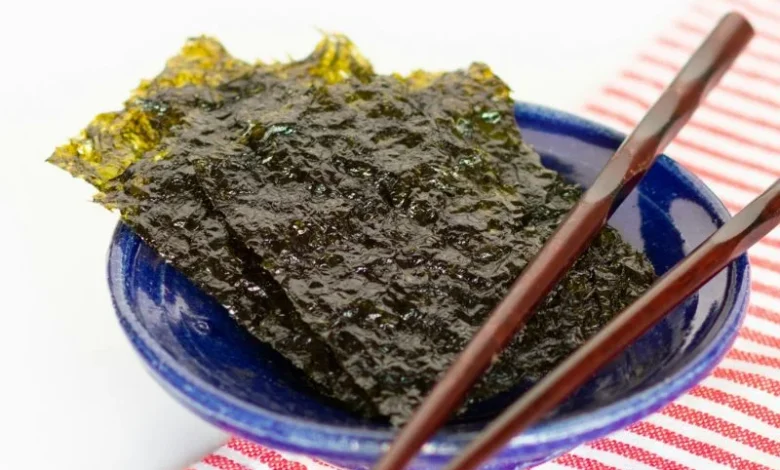
Methane is formed while cows digest feed. Seaweed cow methane, Seaweed is an option to reduce methane emission, but it is not as effective as we would like.
How can Seaweed Help?
Asparagopsis is a type of red seaweed that inhibits a specific enzyme responsible for methane production in cattle. This seaweed is given in very small amounts as only one per cent of its feed can be effective.
What do Researchers Say?
- Beef Research: At UC Davis, there was an 80 % reduction of methane with a 0.5 % seaweed supplement over 147 days.
- Dairy Research: In another study, there was a 67 % reduction of methane emissions but cows consumed less feed.
- Real-Life Research: In a 300-day Wagyu experiment, the reduction rate was only 28 %.
What Are the Challenges?
The recent meta-analysis highlights the need for more data. Feeding refusal is a problem, and there are regulatory issues in the US to use seaweed as a supplement.
Why Does It Matter? – seaweed cow methane
In the US, livestock manure and digestion contributed to 36 % of methane emissions, while in Australia this number is slightly over 10 %.
Coral reefs face a growing global threat.
Are Kelp Forests Disappearing Too Fast?
Check out why kelp forests are rapidly declining.
How Is UAE Helping Coral Reefs?
Find out how UAE labs protect coral reefs.
What Helps Coral Reefs Recover Faster?
Uncover what supports reef recovery after bleaching.
Why Are Reefs Collapsing Across Countries?
Track down how climate change drives reef loss.
How Widespread Is Coral Bleaching Today?
Reveal how severely coral ecosystems are affected.