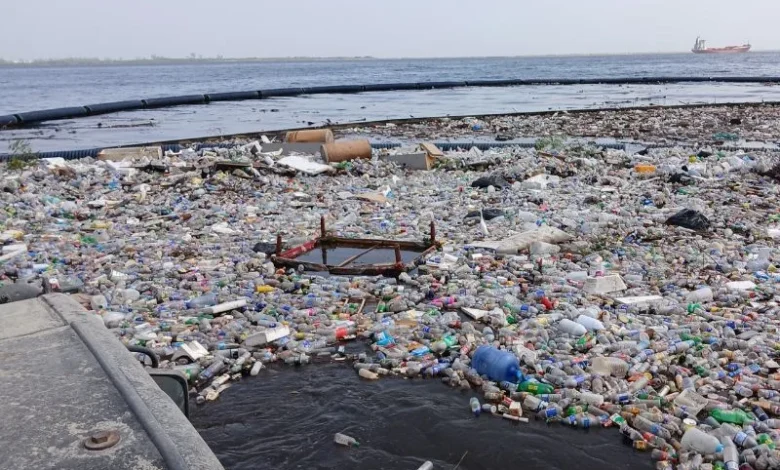
Plastic pollution is becoming a growing threat to ecosystems across the world. plastic pollution solutions, From rivers and forests to oceans and coastlines, plastic waste is damaging natural habitats and putting wildlife at risk. Despite efforts to improve recycling, large amounts of plastic continue to enter the environment, raising concerns about its long-term effects.
How Plastic Waste Harms Wildlife
Animals can mistake plastic waste for food or become trapped in discarded fishing nets, bags and packaging. Marine animals, including turtles and seabirds, are particularly vulnerable to plastic debris in the ocean.
According to the United Nations Environment Programme (UNEP), plastic pollution is a global environmental challenge that affects ecosystems and threatens biodiversity. As plastic breaks down into smaller pieces called microplastics, these particles can spread through water, soil and food chains.
Pollution Extends Beyond the Oceans
Plastic waste is not limited to marine environments. On land, discarded plastics can damage habitats, obstruct drainage systems and contribute to soil contamination. Plastic litter in rivers can also travel downstream, eventually reaching coastal waters.
Microplastics have been detected in many environmental settings, although their long-term effects on ecosystems and human health are still being studied. The growing spread of plastic waste highlights the need for better waste collection and management.
Why Reducing Plastic Waste Matters – plastic pollution solutions
Reducing unnecessary single-use plastics, reusing products and improving waste collection can help limit pollution. Recycling also plays a role, but it cannot solve the problem alone.
UNEP’s global plastics treaty negotiations highlight international efforts to address plastic pollution throughout the life cycle of plastics. Governments, businesses and communities all have a role in preventing plastic waste from reaching natural environments.
Conclusion: Protecting Ecosystems Starts with Action
Plastic pollution is more than a litter problem; it is a serious challenge for wildlife, habitats and the health of ecosystems. Stronger waste management, responsible production and everyday changes in consumption can help reduce the damage. Protecting the environment will require coordinated action, not just individual efforts, to prevent plastic waste from continuing to accumulate across the planet.
Coral reefs face a growing global threat.
Are Kelp Forests Disappearing Too Fast?
Check out why kelp forests are rapidly declining.
How Is UAE Helping Coral Reefs?
Find out how UAE labs protect coral reefs.
What Helps Coral Reefs Recover Faster?
Uncover what supports reef recovery after bleaching.
Why Are Reefs Collapsing Across Countries?
Track down how climate change drives reef loss.
How Widespread Is Coral Bleaching Today?
Reveal how severely coral ecosystems are affected.