
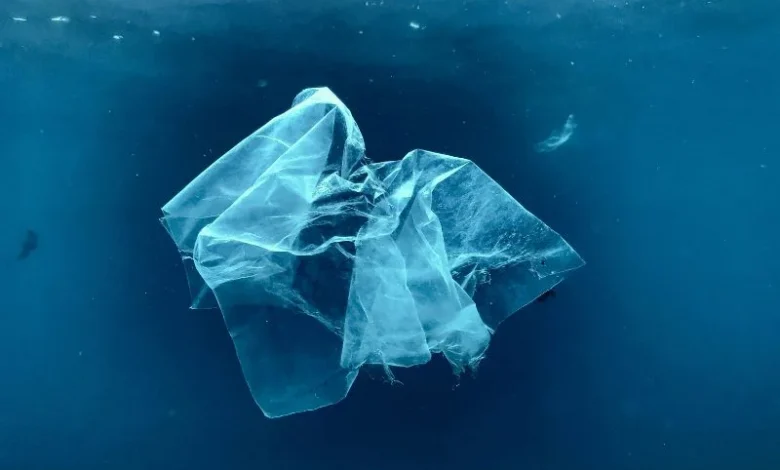
Plastic keeps turning up in new and surprising places, from the deepest sea feeds to the bellies of baby sea turtles. The latest discovery was on a beach in Okinawa, Japan, where a team of researchers saw something they’d never seen before. ocean plastic pollution, Pieces of coral rubble were fused with melted plastic, so tightly bonded that the two materials had become one. They named it “plasticoral,” and it is opening up new questions about how ocean plastic pollution behaves once it reaches the shoreline.
How Researchers Stumbled Onto Plasticoral
A team from the University of the Ryukyus was carrying out a routine beach litter survey in August 2024 when they picked up five odd looking fragments across three separate beaches. At first glance, it looked like plastic had just gotten stuck to some rocks. On closer inspection, the plastic had actually melted and worked its way into the coral’s porous surface, filling every tiny groove. Lab testing later showed most of the samples were polyethylene, the same plastic used in ordinary water bottles, while one piece turned out to be polypropylene, the stiffer plastic used for bottle caps and food containers. The likely cause, according to the team, is beach bonfires, though they admit more research is needed before that can be confirmed with certainty.
Why a Small Beach Find Has Global Consequences
Coral rubble might look like dead, unimportant debris, but it quietly supports a surprising amount of life. Tiny invertebrates hide in its cracks, algae grow across its surface, and fish rely on it as a feeding ground. Once plastic seals over that surface, the rubble stops working as a habitat altogether.
There is a health risk here too. Burning plastic waste releases toxic fumes, including cancer linked dioxins, and it speeds up the breakdown into microplastics that slip easily into seawater and, eventually, into the fish that end up on dinner plates around the world.
Scientists estimate close to 199 million tons of plastic already sit in the ocean, a scale so large that many researchers now call this period the Plasticene. Plasticoral may be an early sign of that shift, marking the point where loose litter starts turning into something far more permanent.
Why This Is Not Just a Japan Problem
Beach bonfires and plastic litter are not unique to Okinawa. Coastal towns across the Pacific islands, South Asia, East Africa and the Caribbean deal with the exact same mix, open fires, scattered plastic waste and coral fragments nearby. The conditions that created plastic coral in Japan exist on shorelines almost everywhere.
What Coastal Communities Can Actually Do
- Keep plastic away from any beach fire or bonfire
- Join or support local beach cleanup drives
- Report unusual plastic and coral debris to marine research groups
- Ask local authorities for better waste collection near coastlines
- Cut back on single use bottles and containers in daily life
Conclusion – ocean plastic pollution
Plasticoral is a small discovery with a big warning attached. It shows that plastic pollution is no longer just about floating bottles or stray bags washing up on shore. It is now bonding with the very structures that reef life depends on. A little more care on our beaches, and a lot less burning of plastic waste, could go a long way in slowing this down before it spreads further.
Discover smarter ways to go green.
How Can You Cut Emissions?
Check out simple ways to reduce your footprint.
How Much Energy Does AI Use?
Find the hidden environmental costs.
Which Small Habits Make Difference?
Uncover easy actions with big impact.
How Green Is Film Production?
Dive into cinema’s environmental footprint.
What Are The Best Eco Steps?
Explore practical ways to lower emissions.