Bali Coral Reefs Could Bounce Back if Tourism Turns Sustainable, New Study Finds

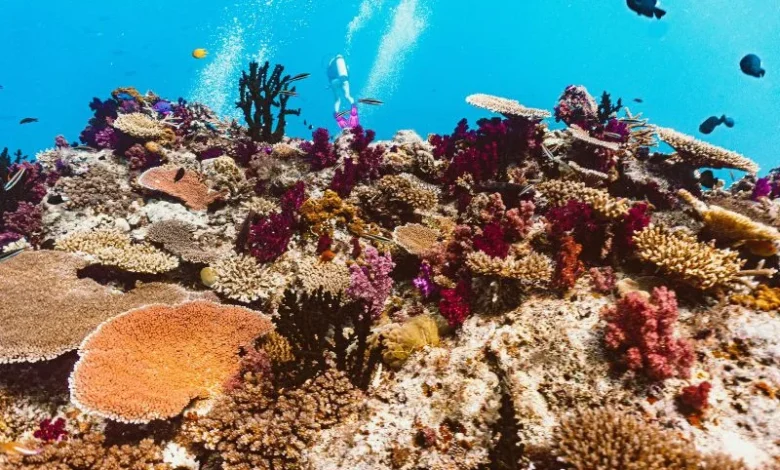
Bali’s beaches attract millions of travellers every year, but beneath the waves a quieter story is developing. Bali coral reefs, A new study has found that Bali coral reefs near the tourist town of Sanur continue to degrade despite repeated attempts to restore them. The surprise is that tourism, the very industry blamed for the damage to the reef, may hold the key to reversing the decline.
Why Bali’s Reefs Keep Suffering
Sanur has been a tourist destination since the 1920s and the economy still depends largely on tourism income. Researchers found that many coral restoration projects are ignoring deeper issues such as sediment runoff and untreated wastewater entering the sea. The most popular nearshore snorkelling sites have suffered the worst, changing from healthy branching coral to rubble covered in algae.
A major reason for this, the study says, is confused and overlapping local decision-making. Different groups, such as government agencies, fishers, hotel operators and community groups, have different views on how reefs should be used and protected. reef governance among these groups results in slow decisions and wasted funding.
How to Make Tourism Sustainable
Tourism can do a lot of damage, from boats mooring on reefs to swimsuits unknowingly breaking coral, but the money and attention it generates are difficult to compete with by other sectors. Dive shops, resorts and travel operators already have a financial interest in keeping reefs alive — a dead reef means fewer visitors.
According to experts, sustainable tourism, to be really effective, should:
•Investing tourism revenues into wastewater treatment and coastal clean-up.
•Establish clear rules for boat anchoring and snorkelling areas.
•Encouraging hotels and dive operators to adopt reef-friendly codes of conduct.
•Supporting community-led monitoring, not one-off restoration projects.”
It’s a Global Lesson, Not Just a Bali Problem
This is not an Indonesia-specific pattern. Similar tensions between tourist dollars and ecological health plague coastal destinations worldwide, from the Philippines to the Caribbean. The lesson for travellers and businesses everywhere is simple: quick fixes such as coral planting look good but rarely work without tackling pollution and planning at source.
Conclusion – Bali coral reefs
Bali’s reefs’ future is less about the number of replanted corals, and more about the genuine cooperation between tourism income and local decision-making. Travellers can also help to do their bit by selecting operators who follow marine-friendly practices and avoiding direct contact with reefs. And a healthier reef means a longer future for Bali’s tourism itself, and that is a trade worth making.
More stories on extreme weather.
Why Is Bangladesh Facing Flood Risks?
Find the latest climate insights.
What’s Driving India’s Weather Split?
Check out the extreme weather patterns.
Is Sonamarg Travel Safe Today?
Get to know the latest advisory.
How Severe Are China’s Floods?
Browse the latest emergency updates.
Why Is Northeast India Flooding?
Uncover the unusual jet stream effects.