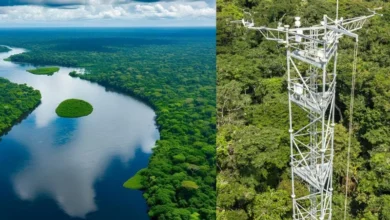

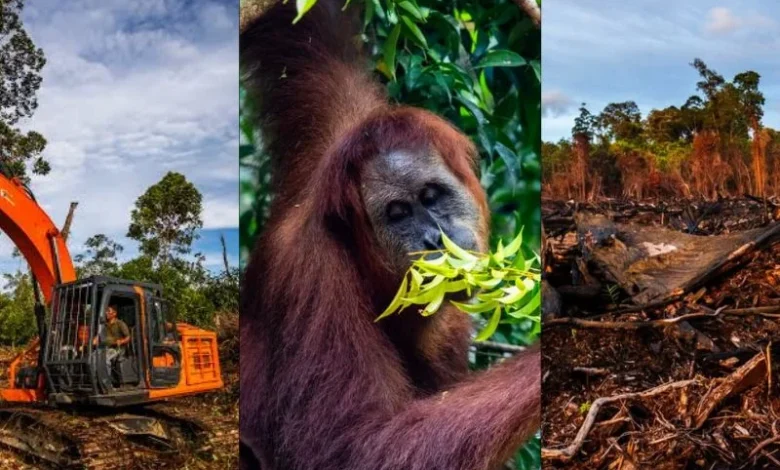
The Singkil peat swamp, one of the last coastal peat forests on the planet, is within Indonesia’s Leuser Ecosystem. It has earned the title “orangutan capital of the world” because nowhere else do wild orangutans live in such large numbers, packed so close together. But this very forest is being cut, drained and burnt, and the world is just starting to pay attention.
What is it that makes Singkil the orangutan capital of the world?
Singkil is the largest of the three remaining peat swamps on the west coast of Sumatra. The other two are Kluet and Tripa. Together these peatlands hold some of the highest concentrations of orangutans ever recorded. The Greater Leuser landscape is one of the last remaining places on Earth where tigers, elephants, rhinos and orangutans still share the same forest (excluding orangutans).
Why the peat swamp is vanishing
The threat is not natural. New canals are being dug through the reserve to drain the wet peat soil so it can be planted with oil palm, investigations have found. In 2023 alone, researchers documented 26 kilometers of newly dug canals inside the reserve, up sharply from the year before. When drained, peat becomes bone dry and highly flammable. Indonesia’s dry season now carries the added danger of fire sweeping through cleared land.
The world’s stakes
It’s not just a local story:
•Climate impact: Peat soils are massive carbon sinks and when they are drained and then burned, they release greenhouse gasses into the atmosphere for years to come.
•Species survival. The Sumatran orangutan is critically endangered and losing this stronghold could increase the risk of extinction for the species.
•Supply chain exposure Palm oil from illegal land clearing can still enter global supply chains used in food, cosmetics and home goods.
What is it really possible to do?
Indonesia already has some rules in place to protect Singkil, such as its status as a protected wildlife reserve and a national moratorium on new peatland clearing. Enforcement is where the gap is. Real help in everyday steps:
•Check that products have RSPO (Roundtable on Sustainable Palm Oil) certification before you buy them.
•Support NGOs on the ground, such as Indonesia’s HAkA, and international groups that monitor deforestation.
•Use free tools like Global Forest Watch to receive real-time satellite alerts on forest loss in protected areas.
•Ask companies about their palm oil sourcing policies directly; public pressure has changed supply chains before.
Conclusion – Singkil peat swamp
The Singkil peat swamp is one of the most important forests in the world—for climate, for biodiversity and for the animals that live there. In Indonesia, better enforcement will be required to protect it. Everywhere else, better choices. The battle for the world’s orangutan capital is not over but the swamp can not wait much longer.
Track the latest climate changes.
Is Your Seafood Becoming Riskier?
Find how El Niño affects ocean pollution.
Why Are Heatwaves Getting Worse?
Check out the link between monsoons and El Niño.
What Happens During Super El Niño?
See the major weather changes ahead.
Could Food Prices Rise Soon?
Uncover how climate affects grocery costs.
How Will Weather Patterns Change?
Get to know this summer’s biggest climate shifts.