Nepal’s Flood Crisis Shows Why Energy Security and Disaster Resilience Must Work Together, Not in Silos

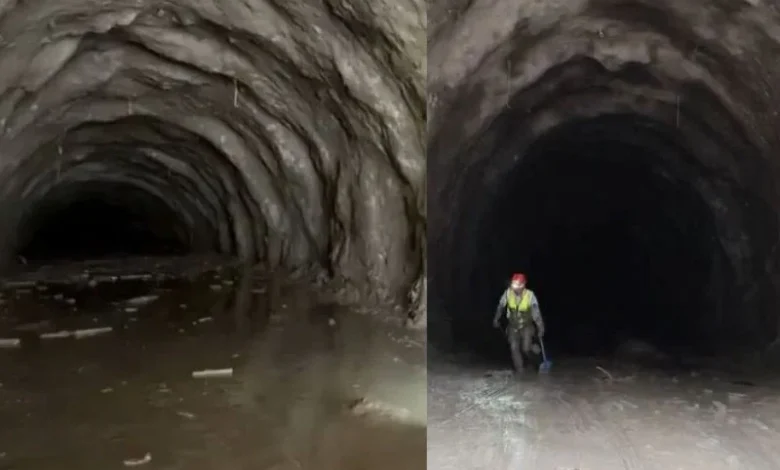
Every monsoon season, floods in Nepal leave hospitals in the dark, homes without power and rescue teams unable to talk to each other. It’s not just a disaster story. Energy Security and Disaster Resilience, It is also a story about energy security. Nepal’s experience tells the world that keeping disaster resilience planning and power planning in separate boxes of government is a costly mistake.
Why Nepal’s Case Matters to the World
Nepal depends on hydropower projects that lie in the very zones of flood and landslip. A single rainstorm can knock out transmission lines, leaving entire districts powerless for days. This is not just a problem of Nepal. Coastal nations, island states and mountain regions everywhere face the same risk: power infrastructure built without disaster planning.
Silos Are the Problem
In most countries, energy ministries plan the power supply. Emergency response is planned by disaster agencies. Until something breaks, and they hardly speak.
•Energy departments study generation capacity, grid expansion.
•Disaster agencies focus on early warning, relief supplies.
•Neither side plans for a disaster grid.
That gap means backup systems, mobile towers and hospital generators often fail when people need them most.
What local communities are doing already
Some communities in Nepal have started to mix the two ideas themselves:
•Solar micro-grids that are still up and running when the grid goes down.
•Local health posts battery backup.
•Mobile flood warnings linked to community-run backup power stations.
These grassroots fixes prove that when energy access and disaster planning combine, recovery is quicker and more affordable.
A Simple Checklist for Policymakers around the World
•Map power infrastructure on flood and landslide risk zones.
•Fund decentralized solar and micro-hydro backup, not the main grid.
•Establish joint task forces of energy and disaster ministries.
•Train local communities to store backup power for emergencies.
•Review these plans every few years, not just after a disaster strikes.
Conclusion – Energy Security and Disaster Resilience
Nepal’s story is a lesson for every country dealing with climate-related disasters. Reliable energy security is a prerequisite for true disaster resilience, and energy planning that does not take disaster risk into account is planning for failure. Power and disaster prep should be seen as one system, not two separate issues, by governments and communities.
Explore More: Discover the Ideas and Innovations Shaping Tomorrow
Which Technologies Will Transform Industries Next?
Discover the breakthrough technologies that could reshape traditional industries and the future of work.
Why Are Wetlands So Important Globally?
Explore the world’s most important wetlands and learn why they are vital for nature and humanity.
Can Innovation Improve Renewable Energy Reliability?
Check out the latest innovations making renewable energy cleaner, smarter, and more dependable.
Which Countries Lead Green Living?
Discover the 2026 ranking of the world’s greenest countries and their sustainability achievements.
How Are Cities Fighting Climate Change?
Explore the cities investing in climate-resilient infrastructure