Ladakh Glaciers Losing Speed as Ice Melts: New Study Warns of Water Crisis Ahead

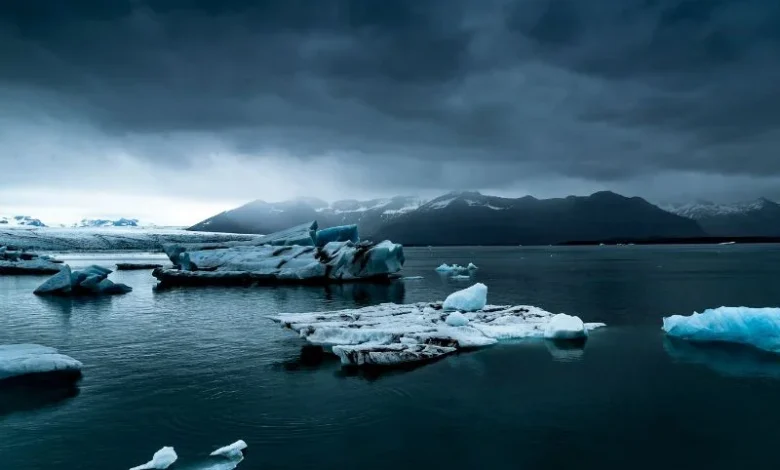
Glaciers do move slowly, but new research from Ladakh shows they’re moving even more slowly than expected, and that’s not good news. A new study of Ladakh glaciers reveals that the ice flow in the Zanskar Himalayas has decreased substantially over three decades even as the same glaciers are thinning faster than before.
What the Research Really Found
Tracking glacier flow in the Zanskar region from 1992 to 2023, scientists found that total glacier velocity had reduced by about 16 per cent over this period. “Some individual glaciers slowed down by about 2.4 meters per year every 10 years, the study on glacier thinning found. At the same time the ice cover became noticeably thinner, especially at lower elevations which lost speed faster than glaciers higher up the mountains.
This combination of a glacier movement slower and also losing mass is unusual and worrying. Typically, a rapidly thinning glacier can keep moving at a steady pace for a while. Here, both are happening together, which scientists say points to a system under real stress.
Why Ice Needs to Slow Down
Ladakh sits in a rain shadow zone, meaning it gets very little rainfall and depends heavily on glacier and snowmelt for its water supply. Seasonal ice melt is a major contributor to the summer flow of rivers, streams and farms such as the Indus.
As glaciers move faster, they carry ice from high, snow-covered areas to lower regions where it melts and feeds rivers during the warmer months. A glacier slowdown disrupts this natural transport system. Less ice reaches lower elevations, which over time can mean less meltwater reaching the valleys precisely when farmers, herders and villages need it most.
A caution beyond ladakh
This is a local finding that is part of a much larger pattern. Research from the Himalayan region and around the world has already shown that glaciers are melting faster over the past few decades, with about twice as much ice lost since 2000 as in the late twentieth century. Similar acceleration around the globe has been reported in recent years in global glacier assessments, threatening sea levels and fresh water supplies from Central Asia to South America.
What this means for downstream communities
• Less predictable river flows during dry summer months.
• More pressure on farming and drinking water in remote mountain villages.
• Greater likelihood of glacial lake formation and potential flooding as ice retreats.
• Need for enhanced local monitoring and early warning systems.
Conclusion
The slowdown of Ladakh’s glaciers is a quiet but serious signal that the region’s water future is changing faster than expected. For communities that depend on melting ice for their livelihoods each summer, understanding these changes is no longer just a scientific concern, it’s a matter of daily life.
More ocean stories to explore.
How Are Coral Reefs Being Saved?
Discover how innovative conservation efforts are protecting reefs.
Why Does Coral Bleaching Spread?
Find what causes bleaching and supports reef recovery.
Why Are Global Reefs Collapsing?
Uncover how climate change is damaging coral ecosystems.
How Severe Is Coral Bleaching?
See why bleaching now affects most coral ecosystems.
Why Are Reefs Facing Extreme Heat?
Look into the growing impact of ocean warming on reefs.