Night Shift on the Farm: Why Japan’s Farmers Are Working After Dark to Survive Extreme Heat

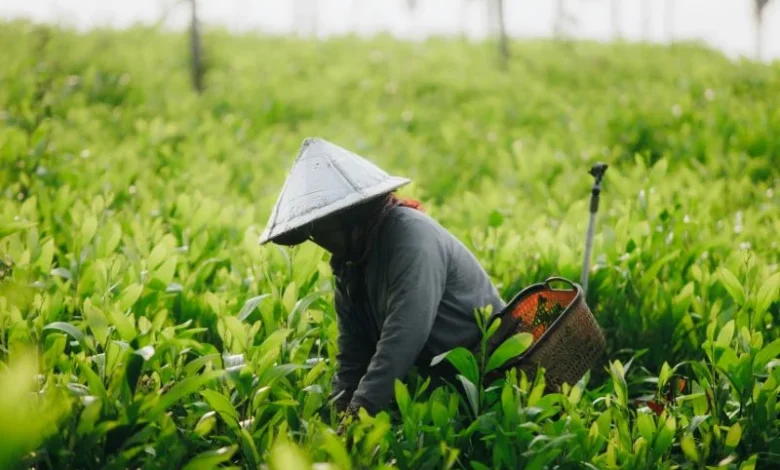
Agriculture always followed the sun. Japan heat farmers, That ancient rhythm is breaking down in Japan. With summer heat reaching new heights, farmers everywhere are trading daylight for darkness, working through the night to protect their crops, their animals and their own lives from the dangerously real extreme heat that has arrived.
Why Japanese Farmers Go to Bed at Nite
In the town of Nikko, north of Tokyo, one flower grower now harvests his gerberas long after the sun has set, his greenhouse illuminated by rows of lamps, not sunlight. He switched after collapsing from heatstroke while picking flowers in the daytime. In a greenhouse, the air can reach over 40°C when the outside temperature is above 35°C, which is hot enough to be life-threatening to anyone working there.
This isn’t an isolated story. Across Japan, flower growers, asparagus farmers and egg producers are completely rearranging their entire workday to cope with the heat. The once-busy midday hours, when farmers traditionally did the bulk of their fieldwork, are now treated as a period to avoid altogether.
A Workforce Especially at Risk
Japan’s farming population makes this shift more urgent than in many other countries. Around seventy percent of Japanese farmers are aged 65 or older, and older bodies struggle far more to cope with heat stress. High humidity in the summer months adds another layer of danger, making it harder for sweat to cool the body effectively.
The numbers reflect the seriousness of the problem. In 2024, fifty-nine farmworkers died from extreme heat—more than double the number of deaths from just three years prior. According to a recent Japan Weather Association survey, around 60 percent of younger farmers had either suffered heatstroke or knew a colleague who had.
A Global Pattern, Not Just a Japanese One
But Japan isn’t the only one changing. In Vietnam, rice farmers, and in Spain, winery workers, are also shifting their work to cooler nighttime and early morning hours. It’s a sign of a wider shift in how farm workers everywhere are having to adjust to heatwaves that are becoming more common and more intense.
What this means moving forward
• Farming patterns are changing permanently, not just for short heat spikes.
• An aging workforce increases health risks for older farmers.
• Artificial lighting and cooling systems are becoming essential farm infrastructure, adding costs.
• Growing seasons and patterns of labor may change, placing new pressures on food supply chains.
Conclusion – Japan heat farmers
Extreme heat is no longer a weather headline. For Japan’s farmers, it is altering the timing and methods of food production and putting real pressure on an aging workforce with few easy alternatives. The story from Nikko is a preview of a challenge many more countries will soon face: adapting the oldest human occupation to a climate it was never built for, as this pattern spreads to other farming communities.
More Climate Insights
How Is Climate Changing Daily?
Discover today’s real impacts.
What Climate Effects Go Unnoticed?
Uncover hidden everyday changes.
Why Protect Biodiversity Hotspots?
Find nature’s climate solution.
Why Are Monsoons So Unstable?
Learn what’s driving change.
Is Your Home Monsoon Ready?
Check out essential preparations.