Plan Bee: How Indian Railways Uses Bee Sounds to Keep Elephants Off Train Tracks

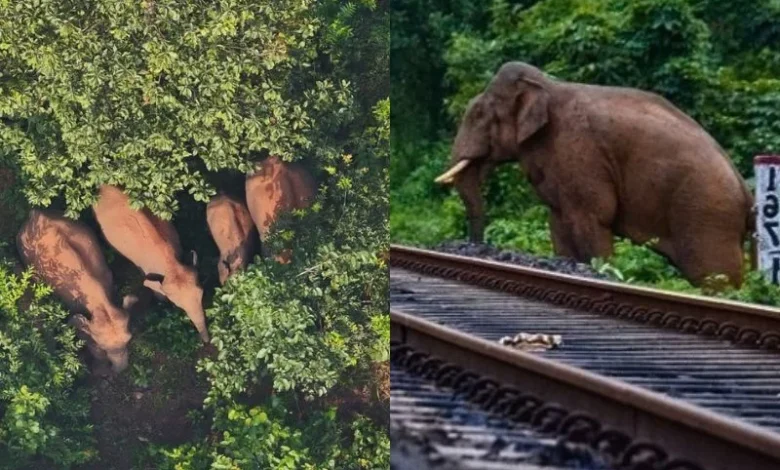
Wild elephants crossing railway tracks has long been a dangerous mismatch. Plan Bee elephant safety device, Trains move fast, herds move slow, and the two don’t mix well at night. To fix this, Indian Railways built a strange but clever solution called Plan Bee, based on something elephants genuinely fear: bees.
What Is a Plan Bee?
The device sits near tracks that cut through elephant corridors and plays a loud recording of swarming honeybees, audible for a few hundred metres. A sting near the eyes or trunk hurts, so elephants usually turn back the moment they hear it. Sensors along the track detect movement and trigger the sound on their own, no staff needed on site. The idea started in Assam under the Northeast Frontier Railway and later spread to other divisions.
Why This Idea Works
Assam and West Bengal see more accidents than most states, largely because trains pass through forest at night with poor visibility. Unlike fencing or chemicals, the bee sound doesn’t harm elephants or block other animals from the same land, and it’s cheap to run. Paired with slower night speeds, deaths have dropped noticeably.
A Lesson for the World
Parts of Africa and Southeast Asia face similar clashes between railways and wildlife. A low-cost fix like this is worth considering wherever trains cross animal corridors.
Conclusion – Plan Bee elephant safety device
Plan Bee shows that saving wildlife doesn’t always need expensive technology, just a buzzing sound in the right place, at the right time.
Wildlife stories worth watching closely.
Which Countries Face Wildlife Loss?
Check out global hotspots where endangered species need urgent protection.
What Makes This Monkey So Rare?
Find out about the newly discovered orange-lipped monkey in Congo.
Why Are Andaman Species Disappearing?
Uncover why these unique species need immediate conservation efforts.
Can AI Help Save Wildlife?
See how AI is transforming endangered wildlife monitoring.
Which Species Are Near Extinction?
Look into wildlife facing the highest risks of disappearing.