Trump Opens Protected Pacific Marine Monuments to Commercial Fishing, Alarming Conservationists Worldwide
Pacific marine monuments now face fishing access. Learn why scientists warn of risks to fragile reefs, wildlife and global ocean health.

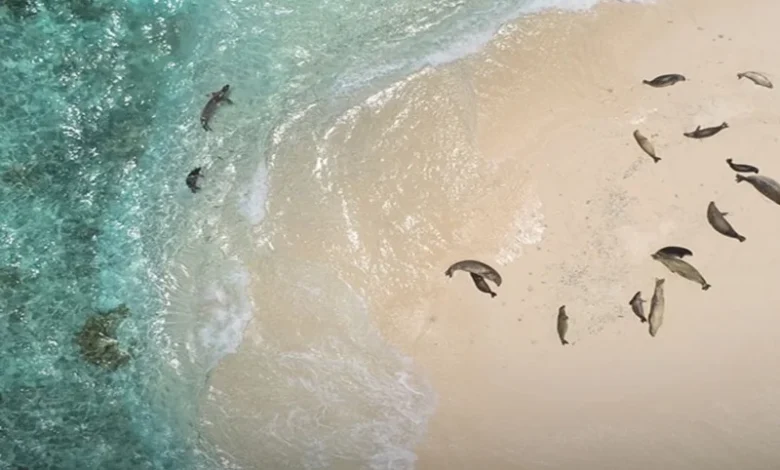
Millions of square miles of ocean that once were off-limits to industrial fishing now are open for business. In June 2026, US President Donald Trump issued a proclamation to lift long-standing bans on commercial fishing inside three marine national monuments in the Pacific Ocean. The ruling affects some of the most ecologically rich waters on the planet, and has sparked a fierce debate that extends far beyond American shores.
What the Proclamation Really Does
The order removes fishing restrictions from waters within the Papahānaumokuākea Marine National Monument near Hawaii, the Islands Unit of the Mariana Trench Marine National Monument and the Rose Atoll Marine National Monument in American Samoa. All told, the zones cover an area of about 500,000 square miles. They were first protected under President George W. Bush, and later expanded to include reefs of coral, seabird colonies and whale breeding grounds.
The White House said the move would help American fishing crews compete with foreign vessels already fishing in the area and could lead to lower prices for seafood for consumers. Commerce officials say the policy is part of a broader effort to boost domestic fisheries.
Why Scientists And Local Communities Care
Conservation groups disagree. Marine scientists warn that opening these waters could disturb fragile ecosystems that took decades to recover. The Papahānaumokuākea monument alone is home to over 14 million seabirds and is a critical home for humpback whales. This has been vehemently opposed by Indigenous Hawaiian and Pacific Islander communities for whom these waters are culturally sacred.
Legal battles are already forming. Environmental law groups have fought similar proclamations in court before, claiming they sidestep proper regulatory review.
What This Means for the Rest of the World
This is not just a US domestic issue. Healthy oceans moderate climate, support global fish stocks and sustain coastal economies far beyond America’s borders. Weaker protections in one of the world’s biggest marine reserves could be a precedent other countries use to justify their own rollbacks.
A Quick Checklist for Worried Readers
•Track updates from NOAA and independent ocean policy monitors.
•Support organizations that are litigating for marine conservation.
•When you shop, purchase sustainably certified seafood.
•Follow how fish populations are affected around the globe by changes in fishing policy.
•Share verified information, not assumptions, as legal challenges can still change outcomes.
Conclusion
The reopening of these Pacific marine monuments is one of the largest turns in ocean policy in years, and its impact will likely be felt far beyond American waters. Whether or not this decision will stand up in court remains to be seen, but the debate it has sparked shows just how connected the world’s oceans, and those who rely on them, really are.
Discover the ocean stories shaping our planet.
Can This Project Save Oceans?
Check out the ambitious marine conservation plan.
Could Stranded Ships Spread Invasive Species?
Find out how Hormuz could face risks.
Why Is Deep-Sea Mining Controversial?
Uncover the global fight over seabeds.
Could El Niño Pollute Seafood?
See why changing ocean conditions matter.
What Does Vancouver’s Heat Record Signal?
Explore what 2026’s weather shift reveals.