Stranded Ships in the Strait of Hormuz Could Trigger a Global Invasive Species Crisis
Strait of Hormuz Ships stranded for months could spread invasive species worldwide, threatening marine ecosystems, fisheries, and coastal economies.

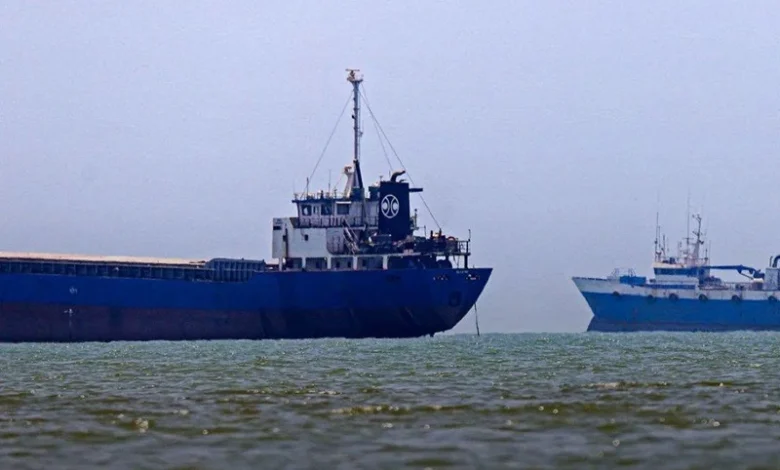
A silent ocean can conceal a noisy problem. Over 1,500 commercial ships have been stranded in the Persian Gulf since February 2026, when the Strait of Hormuz was closed in the midst of regional conflict. They may have silent engines, but life on their hulls has not. Now scientists are warning the floating traffic jam could be one of the biggest marine bioinvasions ever.
The hidden danger of idle ships
Ships are usually kept moving deliberately. Regular hull cleaning and anti-fouling paint combined with constant motion prevent marine organisms from settling and growing on a vessel’s underside. But a stationary ship for months is an artificial reef for its hull. Algae, barnacles, mussels and other inverts settle and multiply in dense layers.Marine biologists who have surveyed the scene say the Gulf’s extreme heat and its high salt content make its organisms unusually tough. Species capable of surviving such harsh conditions are also more likely to survive a long ocean voyage, increasing the odds of their arrival alive in a distant port.
The Worldwide Ripple Effect
This is not a problem only for the Middle East. When the Strait of Hormuz is fully open and traffic resumes, the vessels will disperse to ports around Asia, Europe, Africa and the Americas. Organisms can be introduced as hitchhikers wherever ships dock and may become established in the new waters.
Why this matters to ordinary people, not just marine scientists:
•Invasive species can outcompete native marine life, decreasing biodiversity in coastal waters.
•The decline of local fisheries can take a heavy toll on the livelihoods of small fishing communities.
•Power plants and desalination facilities that rely on seawater cooling systems can experience costly blockages.
•Reef-destroying or beach-blocking invasive species can harm coastal tourism.
•And once an outbreak starts, it can cost governments billions of dollars to manage it over many years.
What to do before ships sail again
Researchers are calling on port authorities, shipping companies and governments to act before the backlog is cleared, not after.
Among the practical steps being discussed are the following:
•Hull inspection for biofouling before ships are permitted to sail long distances.
•Cleaning hulls in contained, controlled facilities rather than out in the open water.
•Exchange of real-time data between ports to enable early flagging of incoming vessels with heavy fouling.
•Stricter rules for ballast water and hull management under the International Maritime Organization.
•Increase funding for coastal monitoring programs to enable early detection of new invasive species.
A Duty of the Collective
This problem was not of any one nation’s making and no one nation can solve it alone. It started with a geopolitical clash thousands of miles from most affected coastlines, but its effects could reach fishing boats in Southeast Asia, shellfish farms in Europe, and reefs in the Pacific. This is exactly why scientists are calling for coordinated international action rather than isolated national responses.
Final thoughts
The ships stuck near the Strait of Hormuz remind us of the environmental risks that rarely respect borders. A dispute that has blocked the movement of tankers has quietly set the stage for a far broader ecological threat, one that will hinge on decisions made in the months ahead, not years. There is still a window of opportunity for governments, ports and shipping lines to inspect and clean hulls before normal trade resumes. It is cheaper now and much kinder to the world’s oceans to act now than to clean up an invasion later.
The choice is stark: manage the hulls today or manage an ocean-wide crisis tomorrow.
Explore the biggest global environmental stories.
Can Tourism Harm Protected Coastlines?
Find out why Sazan Island is making headlines.
Why Is Deep-Sea Mining Controversial?
Uncover what’s fueling global protests against mining.
How Do Microplastics Reach You?
See how tiny plastics enter everyday life.
Which Countries Lead Green Living?
Browse the world’s top-performing green nations.
What Makes Cities More Sustainable?
Check out the cities setting global sustainability standards.