Bird Songs and Biodiversity: Scientists Reveal the Amazing Secrets Behind Nature’s Sounds

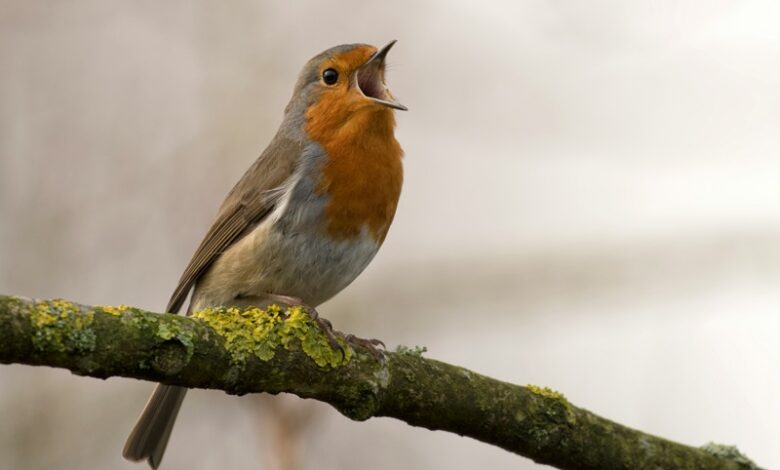
For centuries, the dawn chorus has been treated as background music, something pleasant but unremarkable. That view is changing fast. Scientists studying bird songs have found that the sounds of a forest, wetland or farmland can reveal the state of its biodiversity almost as accurately as a physical survey and often much faster.
Why Bird Songs Matter More Than We Thought
Birds are sensitive to small changes in temperature, food supply and habitat quality, which makes them reliable early warning signals for environmental stress. Researchers at the National University of Singapore have been recording rainforest soundscapes and using artificial intelligence to identify which species are calling, when they are active, and how their patterns shift over time. Their work shows that these recordings can compare animal communities across different sites and even track individual animals moving through a landscape.
What a Quieter Forest Really Means
A separate long-term study compared decades of citizen-collected recordings across North America and Europe. The findings were striking. Spring soundscapes in many regions have become noticeably quieter and less varied, a direct echo of falling bird numbers and shrinking species diversity. In simple terms, fewer distinct songs mean fewer species surviving in that habitat, and a duller soundscape often signals an ecosystem under strain long before other symptoms appear.
How Scientists Are Listening at Scale
Traditional biodiversity surveys require researchers to physically visit a site, often repeatedly, to count species. This is slow, costly and difficult in dense forests or remote wetlands. Passive acoustic monitoring solves much of this problem. Small, weatherproof recorders are left in the field for weeks or months, capturing every bird call, insect buzz and frog croak. Machine learning models then sort through thousands of hours of audio to identify species automatically.
This approach is now being used well beyond research labs. Conservation groups, national parks and even citizen science volunteers with basic smartphone apps are contributing recordings that feed into global databases used by scientists everywhere.
Practical Ways Anyone Can Get Involved
You do not need to be a scientist to take part in this growing movement. Consider these simple steps:
•Download a free bird identification app and record calls during a morning walk.
•Join a local birdwatching or citizen science group that shares recordings with researchers.
•Keep a simple log of which birds you hear in your garden or neighborhood each season.
•Support local parks and green spaces, since even small urban patches host surprising diversity.
•Avoid excessive noise pollution near nesting areas during the breeding season.
Explore More Clean Energy Stories
Why Oppose Deep-Sea Mining Now?
Discover why global protests are growing.
Is Clean Energy Winning Today?
Check out how renewables are overtaking fossil fuels.
Why Is COP30 Facing Backlash?
Find the latest clean energy debate.
How Does Green Fuel Help?
Look into sustainable aviation fuel benefits.
Why Is Solar Now Cheaper?
See how solar beats fossil fuel costs.
A Sound Worth Protecting
Bird songs are no longer just a pleasant backdrop to daily life. They are becoming one of the clearest, most accessible tools scientists have for tracking biodiversity loss across the planet. As monitoring technology becomes cheaper and more widespread, ordinary people are playing a real role alongside researchers in understanding how ecosystems are changing.
Protecting the diversity of bird songs we hear today is, in many ways, the same as protecting the biodiversity of tomorrow. Listen closely, because nature is already telling us what it needs.