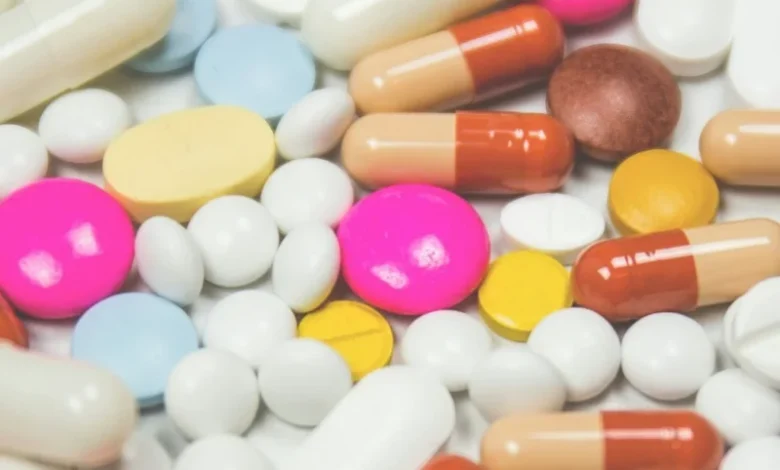
By late 2025, it has been estimated that up to one in eight US adults have been taking GLP-1 weight loss drugs. The wider use of these weight loss drugs presents the potential for a drop in food consumption, which could in turn lower the amount of farmland needed to produce food.
What could be spared?
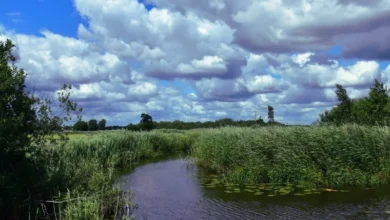
One scenario estimated that 100 million users could reduce their caloric intake by 500 calories a day, resulting in a reduction of 34.5 metric tons of food-related emissions and sparing 70,000 km of agricultural land, equal to the size of Ireland.
What are the cuts made by users in their diets?
Users eliminated high-calorie foods from their diets that include snacks, sweet drinks, and red meat, which are associated with a larger carbon footprint. A study on the shift to dietary recommendations observed a reduction of food-related emissions by 22 to 32%.
What could go wrong here?
However, this weight loss drugs benefit is not guaranteed. A survey conducted by Ohio State found that as many as 25% of respondents who took the survey admitted to throwing away more food, while 61% of respondents did not believe so. In addition, the saved agricultural lands might be utilized for growing new crops, and food waste still matters.
Read more Climate Changes:
What is the water footprint of everyday things?
See the water footprint of common products.
How healthy is our soil?
See why healthy soil is running out.
Can growing food indoors help?
Weigh the pros and cons of vertical farming.
Is sand really running out?
Explore why the world is short of sand.
Is India’s monsoon changing?
Read how climate change is reshaping the monsoon.