Trends
Explore sustainability trends with climate updates, green technology innovations and global developments shaping environmental progress.
-

Battery Recycling: What Happens to Old EV Batteries?
According to India’s Battery Waste Rules of 2022, makers of electric vehicles are required to collect and recycle old batteries,…
Read More » -
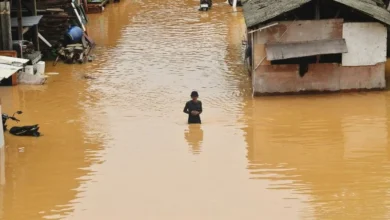
Climate Migration: Who Moves When Home Becomes Unlivable?
The Groundswell report, which was created by the World Bank, climate migration, suggests that climate change could compel 216 million…
Read More » -
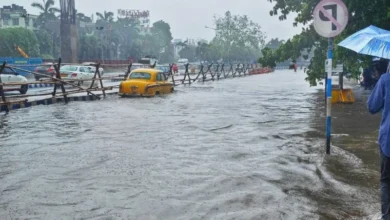
Cloudbursts: Why Rain Now Falls in Violent Bursts
A cloudburst refers to a sudden and heavy downpour. Cloudbursts India, The Indian Meteorological Department (IMD) describes it as accumulating…
Read More » -
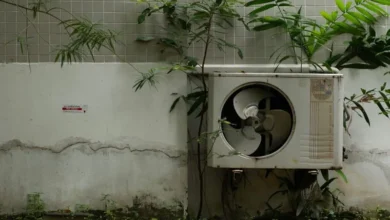
Cooling Crisis: Why Air Conditioners Could Heat the Planet
Cooling technology is an effective way to keep people comfortable but it worsens the climate crisis. Air conditioners climate, According…
Read More » -
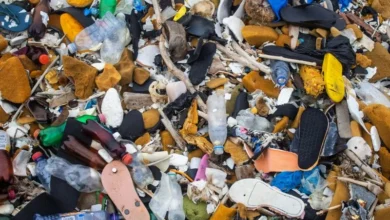
Fast Fashion Waste: Why Clothes Pile Up Faster Than We Wear Them
According to the Ellen MacArthur Foundation, each second sees an equivalent amount of textile waste as a garbage truck either…
Read More » -
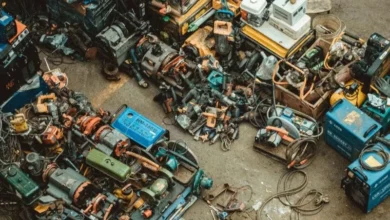
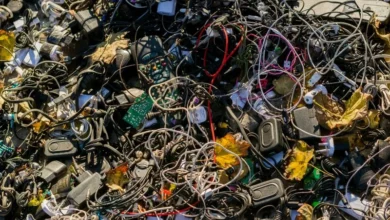
E-Waste Mountains: Where Your Old Phone Ends Up
In 2022, a historic high of 62 million tonnes of e-waste was created, but only 22.3 percent was said to…
Read More » -
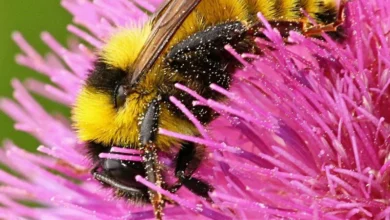
Pollinator Decline: What Happens If the Bees Disappear?
Approximately seventy-five percent of crops require pollinators, pollinator decline, while only one-third of food production is pollinator-dependent. Nevertheless, crops like…
Read More » -
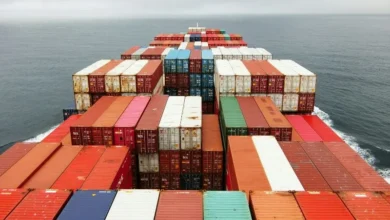
Green Shipping: Can Cargo Ships Go Carbon-Free?
Green shipping decarbonisation, Ships transport approximately 90% of world trade and emit almost 3% of global CO2, with the majority…
Read More » -
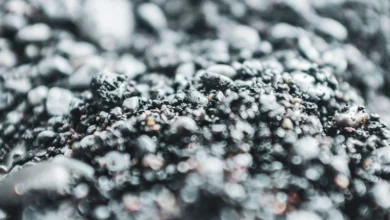
Biochar: Can Charred Waste Lock Carbon in Soil?
The production of biochar involves the process of pyrolysis in which the raw materials or feedstock in the form of…
Read More » -
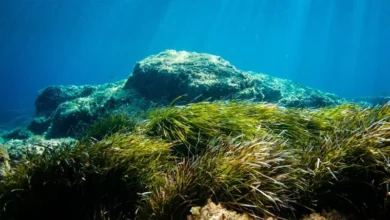
Seagrass Meadows: The Ocean’s Quiet Carbon Vaults
Seagrass meadows have an area of less than 0.2% of the ocean bottom, seagrass meadows blue carbon, but they are…
Read More »