
Top EV Technologies Changing the Auto Industry
Top EV Technologies are transforming the auto industry with faster charging, smarter batteries, safer driving and cleaner transport for everyone globally.

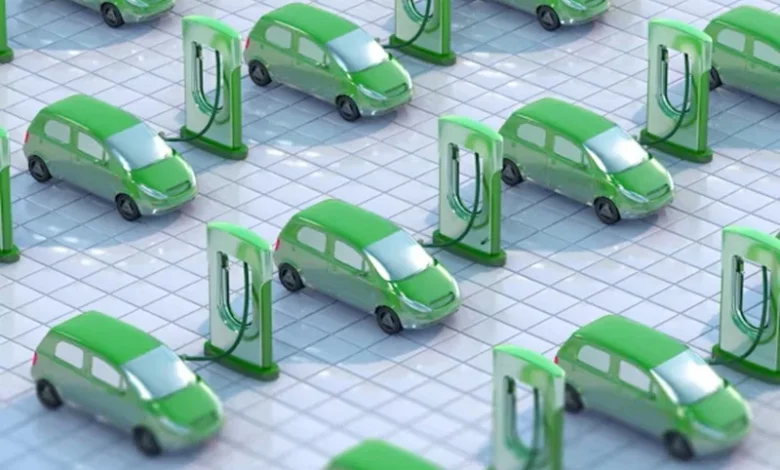
Electric vehicles (EVs) are transforming the automotive industry through rapid advances in battery technology, charging systems, and smart software. These innovations are making EVs more efficient, affordable, and practical for everyday use while supporting the global shift toward cleaner transportation.
Here are some of the top EV technologies shaping the future of the auto industry.
1. Solid-State Batteries
Solid-state batteries promise longer driving ranges, faster charging, and improved safety compared to traditional lithium-ion batteries.
2. Ultra-Fast Charging
Modern charging technology can add hundreds of kilometers of driving range in a short time, reducing charging delays for drivers.
3. Regenerative Braking
This technology captures energy during braking and sends it back to the battery, improving overall efficiency and extending driving range.
4. Vehicle-to-Grid (V2G) Technology
V2G systems allow electric vehicles to send electricity back to the power grid when needed, helping balance energy demand.
5. Battery Management Systems
Advanced software continuously monitors battery health, temperature, and charging performance to improve efficiency and extend battery life.
6. Heat Pump Technology
Many EVs use heat pumps to provide cabin heating and cooling more efficiently, helping preserve battery range in cold weather.
7. Over-the-Air Software Updates
Manufacturers can remotely update vehicle software to improve performance, add new features, and fix bugs without requiring a service visit.
8. Lightweight Materials
Automakers are using aluminum, carbon fiber, and other lightweight materials to improve energy efficiency and extend driving range.
9. Smart Driver Assistance Systems
Modern EVs include advanced safety features such as adaptive cruise control, lane-keeping assistance, automatic emergency braking, and parking assistance.
10. AI-Powered Energy Management
Artificial intelligence helps optimize battery usage, route planning, and charging schedules to improve efficiency and reduce energy consumption.
Why These Technologies Matter
These innovations offer several benefits:
- Longer driving range
- Faster charging
- Lower operating costs
- Improved vehicle safety
- Better battery life
- Reduced carbon emissions
Explore more must-read EV insights.
Which Car Costs Less Overall?
Compare the real ownership costs before you buy.
Are EVs Really Greener Today?
Discover how electric vehicles impact the environment.
Which EVs Are Now Cheaper?
Browse the latest models with falling battery prices.
Does Summer Heat Hurt EVs?
Find simple tips to protect your battery in hot weather.
Which New EVs Launch Today?
Check out the latest electric cars, prices and range.
Conclusion
The electric vehicle industry continues to evolve through new technologies that improve performance, convenience, and sustainability. As batteries become more advanced and charging infrastructure expands, EVs are expected to play an even larger role in the future of transportation.
FAQs
What is the biggest advancement in EV technology?
Solid-state batteries are considered one of the most promising breakthroughs because they offer greater energy density and improved safety.
How does regenerative braking work?
It captures energy produced during braking and stores it in the battery for later use.
What is Vehicle-to-Grid (V2G)?
V2G allows electric vehicles to supply stored electricity back to the power grid when needed.
Why are over-the-air updates important?
They let manufacturers improve vehicle software and add new features without requiring a visit to a service center.