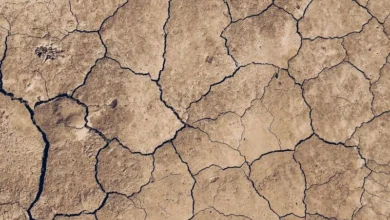
Most countries are unlikely to achieve their food system goals by 2030, according to a new global study. Sustainable food goals, The assessment examined 197 countries using 44 indicators to measure progress in food, health, the environment, and other important areas.
A study published in Nature Food found that most countries are unlikely to meet their 2030 food system targets. The research paper on global food system performance examines 197 countries and 44 indicators across five key areas.
The findings highlight growing concerns about hunger, unhealthy diets, environmental damage, and the sustainability of global food supplies. The researchers warn that urgent action is needed to improve food systems worldwide.
Climate Pollution Remains a Major Challenge
Reducing greenhouse gas emissions from agriculture remains one of the biggest challenges. Farming and food production affect the climate, water resources, and natural ecosystems. However, progress towards reducing environmental damage remains slow.
The study also highlights concerns about pesticide use, water shortages, and the growing availability of unhealthy processed foods. These problems can affect both human health and the environment.
According to the United Nations Food and Agriculture Organization (FAO), sustainable food systems are essential for improving nutrition, supporting farmers, and protecting natural resources.
Five Key Areas Under Review – sustainable food goals
The study tracks progress across five important areas:
- Diet and health: Improving nutrition and reducing unhealthy eating habits.
- Nature and farming: Protecting biodiversity, reducing pollution, and conserving water.
- Jobs and fairness: Supporting farmers and improving livelihoods across the food sector.
- Governance: Strengthening food policies and government accountability.
- Resilience: Making food supplies more reliable during crises and environmental changes.
The findings suggest that many countries are progressing too slowly to meet their targets by the end of the decade.
What Can Governments Do?
Governments can accelerate progress by making nutritious food more affordable, reducing harmful agricultural pollution, supporting sustainable farming, and protecting the rights of agricultural workers.
Investment in better farming practices and stronger food policies can also help communities respond to climate change and food shortages.
For more information about global food and agricultural challenges, readers can explore the United Nations Sustainable Development Goals, which include targets for ending hunger, improving nutrition, and promoting sustainable agriculture.
Urgent Action Is Needed
The study highlights the need for faster progress towards healthier, fairer, and more sustainable food systems. Governments, farmers, businesses, and communities all have a role to play. Stronger policies and practical action today will be essential to improve food security and protect natural resources for future generations.
Stay informed on nature’s biggest global events.
How Active Is Russia’s Volcano?
Find out what triggered this rare volcanic eruption after the powerful earthquake.
Could Japan Face Another Disaster?
Dive into Japan’s ongoing efforts to tackle earthquakes and volcanic threats.
Is Vanuatu Safe To Visit?
Check out the latest travel guidance after the recent major earthquake.
Why Is The Ozone Recovering?
Uncover what the smaller Antarctic ozone hole means for the environment.
How Vital Is Ayeyarwady River?
Look into why protecting Myanmar’s lifeline is crucial for communities and nature.