Marine Conservation Meets Limestone Mining in Indonesia’s Moramo Bay: A Coral Reef Under Threat

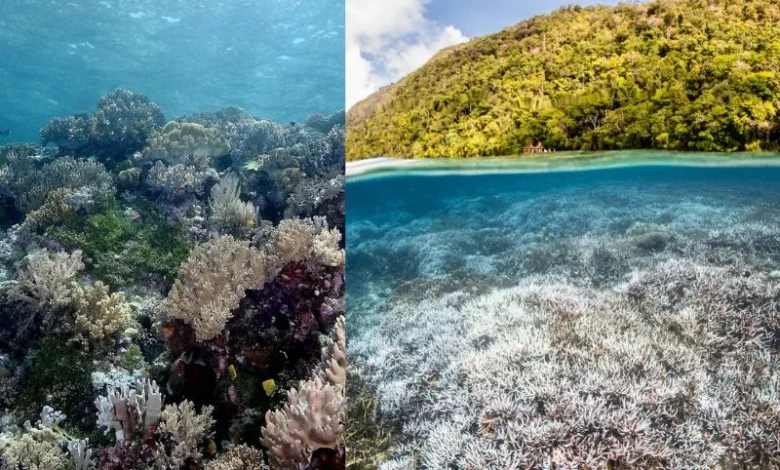
Along the coast of Southeast Sulawesi, a quiet bay sits at the centre of a growing tug of war between two things Indonesia wants badly: healthy oceans and mining revenue. limestone mining moramo bay coral reefs, Moramo Bay has carried official marine conservation status since 2011, yet limestone quarries on the hills above it are now sending brownish runoff straight into its water.
What Is Happening in the Bay
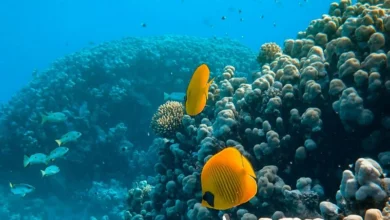
Moramo Bay stretches across roughly 22,000 hectares of sea near Konawe, Konawe Selatan, and Kendari, close to the Banda Sea and the famous Coral Triangle. It holds strong coral cover, seagrass beds, mangroves, and dozens of reef fish species. It is also one of the last known homes of the Napoleon wrasse, a large, slow growing fish that is legally protected. Villagers near Wawatu say the water close to their jetty has turned murky since limestone mining began expanding nearby.
Why This Fish Matters So Much
Researchers say the Napoleon wrasse is not just rare, it keeps reefs balanced.
- It preys on crown of thorns starfish, a coral destroying pest
- Without it, starfish numbers can explode and wreck coral
- It grows and reproduces slowly, so damage takes years to reverse
- Cloudy, sediment filled water drives the fish away from feeding grounds
Rules on Paper Versus What Happens on the Water
Indonesia’s fisheries ministry controls Napoleon wrasse harvesting through permits, and legal catches are only allowed outside protected zones. Southeast Sulawesi received its first export quota only in 2025, after years of tight limits. But mining permits usually come from separate regional offices, so ocean protection rules and land use approvals rarely line up in practice. This gap is at the heart of the conservation versus mining conflict now playing out in Moramo Bay.
A Short Checklist for Concerned Readers
- Choose dive and seafood operators with verified sustainable sourcing
- Follow trusted marine conservation groups working in Wallacea
- Avoid live reef fish products without clear origin papers
- Share accurate, well sourced reporting instead of rumours
Conclusion – limestone mining moramo bay coral reefs
Moramo Bay reflects a wider pattern across coastal Indonesia, where strong ocean protection laws often sit alongside weaker oversight of nearby industry. Fixing one bay will not close that gap everywhere, but public pressure, better coordination between ministries, and support for sustainable seafood can slow the harm.
Explore More: Discover the Ideas and Innovations Shaping Tomorrow
Which Technologies Will Transform Industries Next?
Discover the breakthrough technologies that could reshape traditional industries and the future of work.
Why Are Wetlands So Important Globally?
Explore the world’s most important wetlands and learn why they are vital for nature and humanity.
Can Innovation Improve Renewable Energy Reliability?
Check out the latest innovations making renewable energy cleaner, smarter, and more dependable.
Which Countries Lead Green Living?
Discover the 2026 ranking of the world’s greenest countries and their sustainability achievements.
How Are Cities Fighting Climate Change?
Explore the cities investing in climate-resilient infrastructure