Japan’s No-Pollen Tree Plan: Can New Forests Cure a Nationwide Hay Fever Crisis?

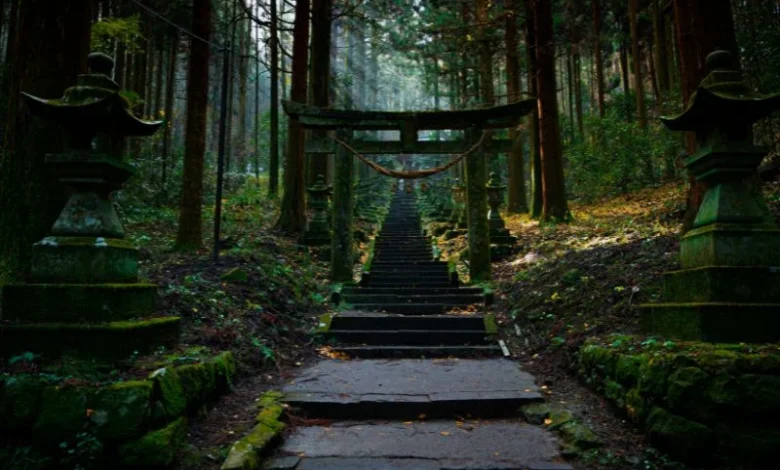
Ask almost anyone in Japan what spring feels like, and pollen comes up before cherry blossoms do. Japan no-pollen tree plan, This isn’t a mild seasonal sniffle. It’s kafunsho, a hay fever crisis so widespread that it shapes daily life for months at a time, and it traces back to trees the government itself planted decades ago. Now, officials are betting on pollen-free trees as the long-term fix.
How Japan’s Post-War Forests Became a Health Problem
After World War II left much of the country in ruins, Japan needed lumber, and fast. Officials planted huge areas with sugi (Japanese cedar) and hinoki (Japanese cypress) since both species shoot up quickly and yield sturdy timber. It worked. Homes got built. But those same forests grew up, matured, and started releasing pollen in quantities nobody planned for. Sugi and hinoki now make up roughly two-thirds of all planted forest in a country where forests cover about 70% of the land.
The result is that over 40% of Japanese citizens now deal with kafunsho each year, nearly double the hay fever rate in the United States. Add in warmer winters linked to climate change, and pollen season starts earlier and drags on longer than it used to.
The Government’s Plan to Cut and Replace
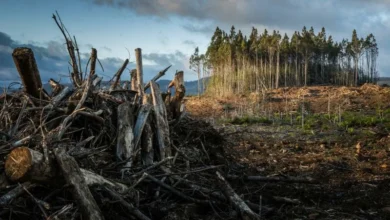
Back in 2023, the government set a target: cut down 20% of sugi trees across 4.3 million hectares by 2033. Most of these cedars are already past 20 years old, which happens to be the age they become useful for lumber, so the timing works out for the logging industry too.
Where a tree gets replaced depends on where it stands:
- Deep-forest and mountain-slope trees are being swapped for native, non-cedar species
- Cedars near roads and mills are getting replaced with newly bred low-pollen or pollen-free strains
- More than 30 such strains have already been developed
- Toyama prefecture planted around 100,000 no-pollen saplings in just one year
Why This Is Harder Than It Sounds
Breeding and planting saplings at this scale sounds simple on paper. In practice, Japan’s forestry workforce is aging and shrinking, and there aren’t enough hands to do the planting fast. Meanwhile, domestic home construction, once the biggest buyer of this timber, is slowing down, so officials also need to find new places to sell the wood coming from all those felled trees.
A Practical Path Forward
- Ramp up nursery output of pollen-free saplings
- Focus replanting first around cities and populated areas
- Open up new timber markets beyond housing
- Keep pollen forecasts public so people can plan around bad days
Conclusion – Japan no-pollen tree plan
What Japan is dealing with today is really the long shadow of a decision made generations ago, and there’s no shortcut out of it. Real relief will come slowly, tree by tree, not overnight.
More stories on extreme weather.
Why Is Bangladesh Facing Flood Risks?
Find the latest climate insights.
What’s Driving India’s Weather Split?
Check out the extreme weather patterns.
Is Sonamarg Travel Safe Today?
Get to know the latest advisory.
How Severe Are China’s Floods?
Browse the latest emergency updates.
Why Is Northeast India Flooding?
Uncover the unusual jet stream effects.