Indonesia’s Deadliest Earthquakes of the Past Decade: What the World Can Learn About Earthquake Preparedness

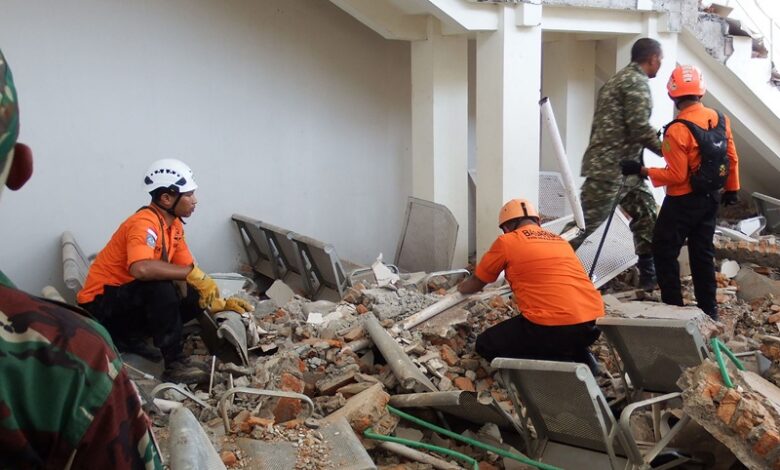
A powerful earthquake hit eastern Indonesia on Saturday, August 15, 2026, killing dozens and sending thousands fleeing their homes on the island of Flores. This is the latest in a grim list of Indonesia’s deadliest earthquakes in the past decade, a reminder that this island nation lies directly on the Pacific Ring of Fire, one of the most seismically active zones on Earth.
Why Indonesia Always Gets Hit by Big Earthquakes
The reason for the frequent tremors, eruptions, and occasional tsunamis in the archipelago is that Indonesia is situated at the junction of several tectonic plates. Some of the most devastating quakes in recent history include a massive tremor and tsunami that wrecked the city of Palu and nearby Donggala in 2018, killing thousands and destroying more than 100,000 homes, according to the country’s disaster mitigation agency BNPB.
A 2022 shallow, moderate-magnitude quake in West Java was just as deadly as a larger one, showing that depth and location are just as important as raw magnitude. The province of Aceh, already scarred by the 2004 tsunami, was hit again in 2016 when a quake before dawn toppled buildings and killed dozens.
What This Weekend’s Earthquake Adds to the Pattern
The latest quake, with an epicenter close to Ende on the island of Flores, triggered hundreds of aftershocks and damaged more than 1,000 homes. It’s the same disturbing pattern we’ve seen before in other disasters: densely populated coastal towns, older buildings that weren’t built to take strong shaking, and not much time between the tremor and its aftershocks for people to react.
Lessons for families and communities around the world
The lessons learned from recurring damage from earthquake risk in Indonesia have relevance beyond Indonesia, particularly for other quake-prone regions of Asia, Latin America and the Pacific.
•Pack an emergency kit with water, a torch, first aid supplies and copies of important documents.
•Find out the structural safety of your building and find the nearest open and safe shelter space.
•Sign up for local alerts from your national or regional weather service.
•If the phone networks fail, agree on a meeting place for the family.
•Practise a simple drill at home, at work or school to drop, cover and hold on.
•Set aside access to some savings or community support for disaster recovery costs.
The Broader View
Public infrastructure and disaster response systems are huge, but it’s often individual and community preparedness that make the biggest difference in the first crucial minutes after an earthquake hits. Countries with well-established early warning systems and frequent public earthquake drills tend to suffer lower casualties, even when faced with strong earthquakes.
Explore More: Discover the Ideas and Innovations Shaping Tomorrow
Which Technologies Will Transform Industries Next?
Discover the breakthrough technologies that could reshape traditional industries and the future of work.
Why Are Wetlands So Important Globally?
Explore the world’s most important wetlands and learn why they are vital for nature and humanity.
Can Innovation Improve Renewable Energy Reliability?
Check out the latest innovations making renewable energy cleaner, smarter, and more dependable.
Which Countries Lead Green Living?
Discover the 2026 ranking of the world’s greenest countries and their sustainability achievements.
How Are Cities Fighting Climate Change?
Explore the cities investing in climate-resilient infrastructure to
Conclusion
Indonesia’s deadliest earthquakes of the past decade show that there is no one factor, no one magnitude, no one location, that determines how deadly a quake becomes. Preparedness, sound construction and rapid community response save lives every time. The best time to prepare for an earthquake is always before it happens, not after. No matter where you live.