
Heatwave Alert 2026: 8 Ways Extreme Temperatures Can Affect EV Battery Performance

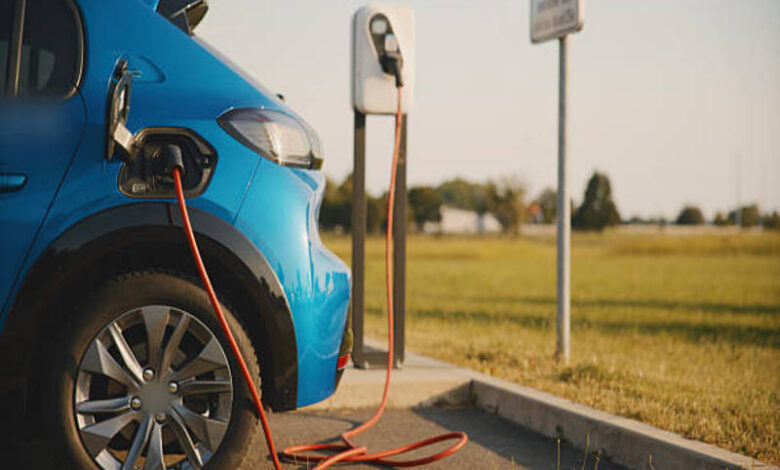
When temperatures reach the 40s Celsius, many EV owners may notice that their batteries perform differently and the distance driven may also change. When a battery has been tested at high temps, a battery can operate differently at high temps (some have tested in excess of 60 degrees) and still function, although battery durability, charging speed, and charging efficiency suffer from high temp environments.
The following are eight factors to consider when it comes to the effect of heatwaves on EV batteries:
1. Reduced Driving Range
Less driving range, since the battery cooling system is consuming energy/draw from the battery you could be using to drive.
2. Increased Air Conditioning Usage
More use of A/C will result in drawing extra power and less battery range than at lower temperatures.
3. Slower Fast Charging
Slow fast-charging will limit the speed at which you can recharge, as many EV’s control charging speeds based on battery temperatures and if the temp is too high due to heat or lack of airflow from A/C, it will stop charging.
4. Higher Battery Temperatures
Battery cell temperature(s) will be increased by high temperatures through prolonged high temperature exposure (from high ambient environmental conditions, & heat sinks).
5. Faster Battery Degradation
Accelerated battery degradation (the age related capacity of the battery decreasing) will occur if the batteries have been exposed to elevated temperature over a long period of time.
6. Increased Cooling System Activity
An EV’s cooling system will be running continuously to provide thermal management for the overall battery system, thereby consuming minimal amounts of energy, to keep the overall battery system operating within the manufacturer’s specification.
7. Reduced Charging Efficiency
When batteries are exposed to high temperatures for extended periods of time, charging performance will be negatively impacted, which will reduce the amount of energy that will be lost due to cooling, and which will not be stored in the battery.
8. Temporary Performance Limitations
There are many EVs whose onboard systems will impose their own restrictions on the amount of power provided, or the amount of charging that is allowed, by monitoring the temperatures of the batteries.
Final Words
Understanding how heat interacts with battery systems and adopting smart charging behaviour can help EV owners mitigate the effects of heat waves and maintain an efficient hybrid or electric vehicle for the duration of the hottest months of 2026.
FAQs
Does being outdoors at a high temperature impact the range of an EV?
The EV is strongly impacted by the increased energy used for the operation of cooling systems and A/C.
Is the use of fast charging safe in a heat wave?
Yes, but the charging will be limited due to safety concerns.
Will the heat cause permanent damage to an electric vehicle battery?
Yes, if the exposure to extreme temperatures is for a long period.
Should I be charging my electric vehicle to 100% during periods of extreme heat?
Most manufacturers recommend that during normal use, EV’s only charge to near full; higher than that is only if necessary.