Groundwater Levels in Chennai: Area-Wise Analysis
Explore Chennai groundwater levels by area, causes of depletion, and solutions. Detailed analysis of Central, South, and West Chennai water conditions.

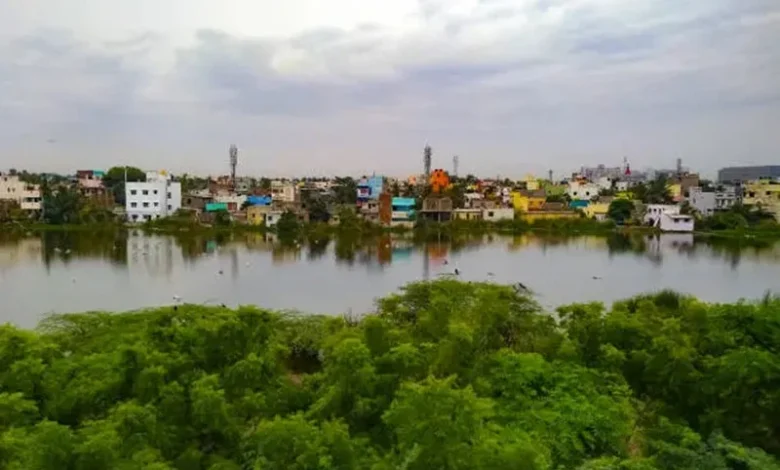
Chennai has experienced significant changes in groundwater levels over the past ten years as a result of inconsistent monsoon patterns and urban development. After a severe drought in Chennai in 2019, many of the city’s wells were refilled by good rains from the monsoon, but well recovery has not been consistent throughout Chennai.
Monsoon rains and surface reservoirs have been used to recharge the groundwater within the city. The depletion of groundwater resources are due to an increase in construction/development, a loss of open lands that typically provide recharge, and an increase in the rate of groundwater extraction from aquifers throughout the city. The area of the city experiencing the greatest observed decrease in groundwater levels is where significant population growth is occurring.
Area-Wise Groundwater Analysis
Central Chennai (T. Nagar, Nungambakkam, Anna Salai):
This area is almost completely urbanized, due to the extensive use of impermeable surfaces (such as asphalt and concrete), there is very limited groundwater recharge occurring in this area. The depth of borewells in this area is also much greater than that of borewells located in other areas of the city and therefore most people living in this area must rely on tanker delivery to obtain their water.
South Chennai (Velachery, Medavakkam, Sholinganallur):
Development in this area has increased water demand dramatically; nevertheless, many residents will continue to rely on nearby lakes or marshlands for a portion of their water. Unfortunately, the aquifers in these areas will be drained rapidly if residents continue overpoduce groundwater by using more than their share of the aquifers.
West Chennai (Porur, Poonamallee, Ambattur):
In general, groundwater levels in these areas of the city are better than those elsewhere due to the availability of lakes and lower density of construction. However, due to the increasing amount of real estate development in these areas, pressure on groundwater levels is continuing to increase.
Key Challenges Affecting Groundwater
There are several challenges currently facing Chennai´s groundwater sources. The major contributors to “groundwater stress” across Chennai are:
1) Urban Development decreasing the natural recharge areas (immediate surroundings);
2) Over Extraction via borewells;
3) Encroaching on the water bodies and wetlands;
4) Irregularity in monsoon rainfall patterns;
5) Salinity intrusion into the coastal area.
If some sort of action is not taken, these issues are likely to result in more severe water shortages over the next several years.
Explore More Smart Reads
Explore NYC heat risk neighborhoods today?
Discover which areas face the highest heat and flood risks in New York City.
Check top vs lower floors heat impact?
Explore how floor levels affect heat exposure in Dubai homes.
Discover natural ways to cool homes?
Check simple and effective methods to keep your house cool during heatwaves.
Explore cities hit hardest by heatwaves?
Discover the top global cities facing extreme heat conditions in 2025.
Check NYC areas hottest at night?
Explore which neighborhoods experience intense nighttime urban heat in New York City.
Final Words
Groundwater in Chennai is out of balance, with better recovery in some places and decreases in others, both in terms of quantity and quality. The future of Chennai’s water supply will depend on how they manage the water systems in place today. Through increased planning, conservation and awareness, Chennai has the potential to move from being reactive to water crises, to long-term sustainable use of water by reconnecting people back to the system.
FAQs
1. Where is there the most groundwater available in Chennai?
The western areas (Porur and Poonamallee) have good amounts of recharge and availability.
2. Is the groundwater salty in certain areas?
Because coastal areas are being intruded upon by seawater, this increases salt present in their groundwater.
3. Has groundwater in Chennai improved since 2019?
Yes, but this has been limited both in terms of the length of time and the extent across the city.
4. How can you improve the groundwater levels in Chennai?
Investing in rainwater harvesting, protecting lakes, and reducing the amount of water extracted from the groundwater will all help improve the amount of groundwater in Chennai.