Is Tap Water Safe to Drink in Hyderabad? Area-Wise Analysis
Is Hyderabad tap water safe to drink? Explore area-wise water quality, risk zones, contamination issues, and the safest ways to drink water.

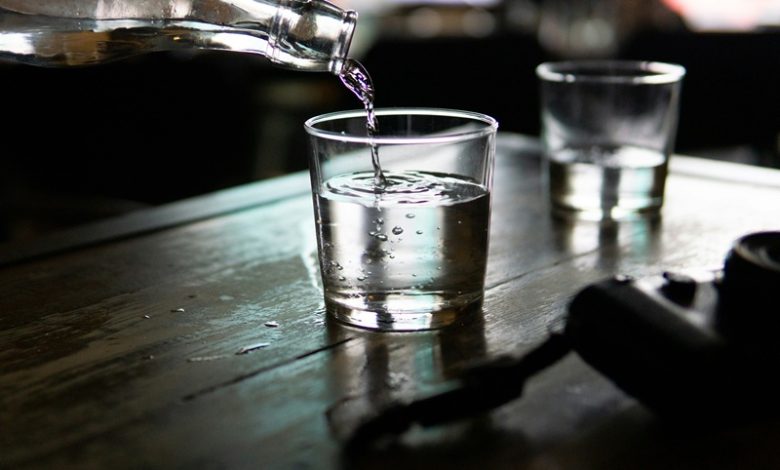
Tap water in Hyderabad falls into a mixed category of being technically safe at source to occasionally unsafe at the point of use. Many have found that municipal tap water typically meets safety standards when supplied, due to treatment and chlorination. Previous national testing has also provided good rankings for Hyderabad tap water as one of the safest tap water supplies in India.
However, once the water has been distributed, the reality is very different. Factors such as old pipeline networks, uneven supply patterns, unsanitary storage practices and the potential for contamination due to agricultural runoff or discharges from sewage treatment plants can lead to a decrease in water quality by the time it arrives at people’s homes.
Area-Wise Water Quality: Safer vs Risk Zones
Gachibowli and Miyapur – Studies of these areas have shown excellent water quality, especially in those areas that are well-planned.
Ramanthapur and Musheerabad Generally have good water quality based upon evaluations done in the past.
Well-planned areas that have regular municipal supplies have better access to treated water. However, these locations typically require filtering of drinking water on a permanent basis; however, the overall raw water quality is stable.
Moderate to Risk Zones
- Saroornagar and surrounding communities are at risk of contamination as a result of supply/storage issues.
- The Shapur Nagar and Langer Houz areas have been identified as having low quality water in studies.
- Outer Hyderabad (Tellapur, Kollur etc.) are reliant mainly on groundwater provided via tankers and in many cases is more likely to be contaminated.
Common water issues in these zones include:
- High levels of TDS (hardness of water)
- Bacteria contamination
- Sewerage contamination from pipeline leaks
What the Data Really Shows
The main takeaway from the data is that Hyderabad’s water problem has more to do with delivery/storage than treatment.
- Source of tap water —for the most part, is safe.
- Water from your taps can become contaminated through storage or a pipeline.
- Groundwater — often is hard and can also be contaminated.
- Lakes and sources of supply — several sources are heavily polluted and contain heavy metals.
This indicates safety is very much local/situational and NOT city-wide.
Stay Ahead of Hyderabad’s Climate Challenges
1. Why Do Hyderabad Areas Flood Easily?
Explore the key areas facing waterlogging issues during heavy rains in Hyderabad.
2. Is Traffic Worsening Hyderabad’s Air Quality?
Discover how rising traffic congestion is impacting Hyderabad’s air pollution levels.
3. Which Hyderabad Areas Face Extreme Heat Risk?
Check the most heat-prone zones and survival tips during Hyderabad’s harsh summers.
4. Is Hyderabad Running Out of Summer Water?
Explore how rapid urban growth is affecting the city’s water balance in summer.
5. Which Indian Cities Face Severe Heatwaves?
Discover the cities in India most vulnerable to extreme and dangerous heatwaves.
Final Words
Hyderabad’s tap water isn’t necessarily unsafe, but it’s NOT consistently safe everywhere. The key point is that the quality of water is very much determined by the reputation of the city; in Hyderabad, whether the water is safe or at risk is determined by your locality, pipeline condition and storage practices.
FAQs
1. Can you drink tap water directly in Hyderabad?
Not recommended. Even if treated, contamination during distribution is common.
2. Which areas have better water quality?
Gachibowli, Miyapur, Ramanthapur, and Musheerabad show relatively better quality.
3. Why is water unsafe in some areas?
Due to old pipelines, groundwater dependence, and storage contamination.
4. What’s the safest option for drinking water?
Using a purifier (RO/UV) or verified filtered water is the safest choice.