Land Use Change Around Pune: What’s Happening?
Explore land use change in Pune, its causes, shrinking green cover, and environmental impacts like urban heat and flooding risks.

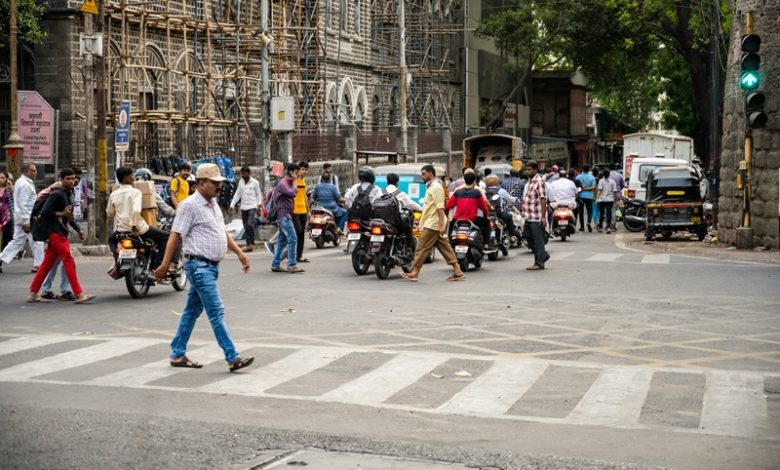
Land use surrounding Pune has drastically changed over the last thirty years due mainly to fast urbanization and population growth (particularly because of IT hubs, industrialization and migration). These factors have caused Pune to exceed its original boundaries by way expanding to include newly developed areas.
Research studies document that the amount of built out area within Pune has dramatically increased from 10 percent or less in 1990 to more than 35 percent as of February, 2020; this increase in built-out area resulted from the high volume of land converted for housing, office facilities, and infrastructure; therefore, the expansion of built out land has come at the expense of agricultural and/or open space, as both of these types of land have been steadily reduced during the expansion.
Decline of Green Cover, Hills, and Natural Ecosystems
The change in land use to urban in Pune has substantially decreased the amount of natural landscape within Pune. The overall percent of vegetation cover in Pune has substantially decreased; grasslands and hills are currently experiencing construction activity and the replacement of native vegetation by introduced species.
The urban hills within Pune, such as Baner Hill, Vetal Hill, and Taljai Hill, all of which historically contained a substantial amount of native biodiversity, are currently experiencing:
- Encroachment and development
- Replacement of native species by introduced species (non-native)
- Increased human activity and stress due to urbanization
Wetlands and lakes have also been impacted; many instances of lakes and wetlands disappearing or being substantially reduced exist due to urbanization; these types of changes have caused significant disruption to the existing ecosystem within the same area.
Environmental Impact and Changing Urban Climate
Pune’s land use changes have resulted in climate change affecting the livability and sustainability of urban spaces, as well as creating direct environmental damage. The impacts of less tree cover and less green space are:
* Increased temperatures leading to an urban heat island effect
* Reduced carbon dioxide absorption capacity
* Increased risk of flooding due to loss of natural drainage.
Urban sprawl has already led to a decrease in carbon sequestration across significant portions of Pune, and is therefore a long-term environmental issue.
Explore More Smart Reads
1.Explore NYC heat risk neighborhoods today?
Discover which areas face the highest heat and flood risks in New York City.
2.Check top vs lower floors heat impact?
Explore how floor levels affect heat exposure in Dubai homes.
3.Discover natural ways to cool homes?
Check simple and effective methods to keep your house cool during heatwaves.
4.Explore cities hit hardest by heatwaves?
Discover the top global cities facing extreme heat conditions in 2025.
5.Check NYC areas hottest at night?
Explore which neighborhoods experience intense nighttime urban heat in New York City.
Final Words
The land use changes in Pune exemplify urban development at the cost of the environment. In lieu of stopping growth altogether, we need to manage growth in a more effective manner. The only way to continue urban development in Pune without compromising the ecosystem is to preserve our hills, restore the water supply, and include green design when planning development.
FAQs
1. Why are land uses changing in Pune so rapidly?
Urbanization, information technology growth, and migration have intensified the demand for housing and infrastructure.
2. What land types are being lost?
Agricultural land, degraded grassland, and natural green space.
3. Are the hills and lakes of Pune at risk?
Yes, due to over-construction, encroachments in public spaces, and harm to natural ecosystems.
4. How does Land Use Change affect the climate?
Land Use Change adds heat, decreases natural cooling, and increases the chances of flooding.