
-
Trends

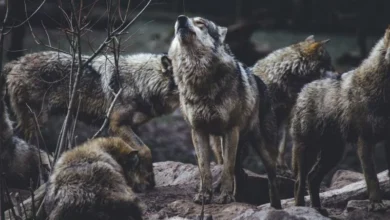
How Wolves Changed Yellowstone: The Story of a Trophic Cascade
In 1995, scientists took 14 gray wolves from Canada with the hopes of restoring the ecosystem balance in Yellowstone National…
Read More » -
World
Ocean Dead Zones: Why Some Seas Are Running Out of Oxygen
The water lying on the ocean floor may not have enough oxygen content for almost all sea organisms. ocean dead…
Read More » -
News
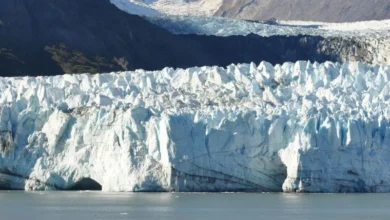
Himalayan Glaciers Are Melting: What It Means for South Asia’s Rivers
Outside of both polar regions, the Himalayas account for the greatest proportion of ice. Himalayan glaciers melting, A report from…
Read More » -
Trends
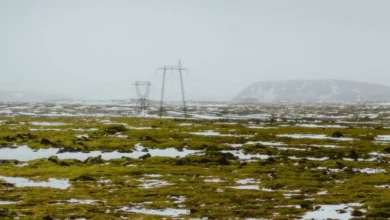
Permafrost Thaw: What Happens When the Frozen Ground Melts
Underneath the Arctic lies land that has been frozen for thousands of years. permafrost thaw, When it melts, it can…
Read More » -
News
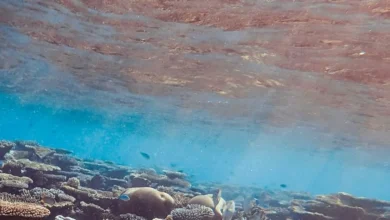
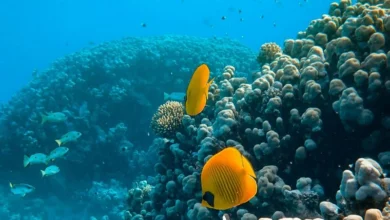
Coral Reefs on the Brink: What Mass Bleaching Means for the Ocean
The unfortunate truth is that, in history, coral reefs have experienced the worst bleaching period on record. Between early 2023…
Read More » -
Opinion
Vanishing Night Skies: How Light Pollution Harms Wildlife and Sleep
If someone steps out in a large city at night, there are hardly any stars in the sky. Light pollution…
Read More » -
Trends
Are Electric Cars Really Greener? Lifecycle Emissions Explained
Wouldn’t it be interesting to know if EVs are cleaner after taking battery into account? Are electric cars greener, According…
Read More » -
Opinion
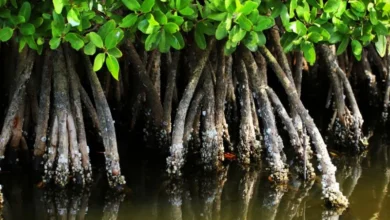
Mangroves: Nature’s Cheapest Sea Wall
The cost of seawalls runs into billions and their repair is required constantly. Mangroves in comparison do the same task…
Read More » -
Trends
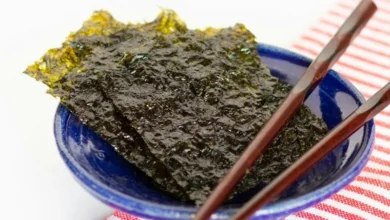
Cow Burps and Climate: Can Seaweed Feed Cut Methane?
Methane is formed while cows digest feed. Seaweed cow methane, Seaweed is an option to reduce methane emission, but it…
Read More » -
Trends
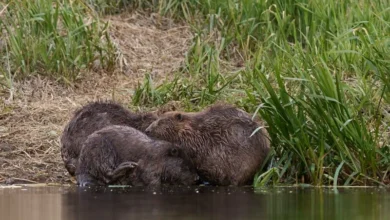
Beavers Are Back: How They Cut Flood and Drought Risk
Once driven extinct 400 years ago in England, Beavers flood drought, beavers have made a remarkable comeback, and they are…
Read More »