
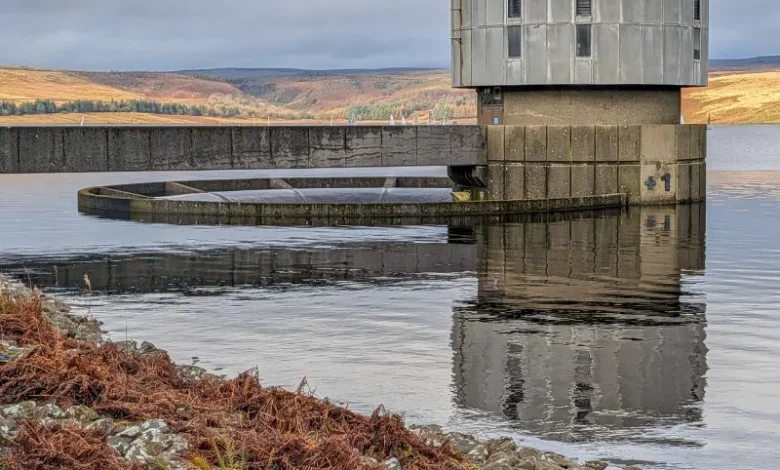
Large human made reservoirs are also becoming low in many places. Dry spells, increased temperature and water consumerism all play a part in this.
Why is water running low?
Besides climate change influencing rainfall, higher temperatures also mean greater levels of evaporation. At the same time, an increasing human population, and the agricultural industry both result in greater water consumption. Consequently, during droughts there is a quick rise in the gap between supply and consumerism. Recently, for instance, the Danube, parts of the Western US and Southern Europe have had low water levels.
What are the consequences?
Lack of water influences hydro-electric power production. It also affects farming and can even influence human water supply. Lower river flow levels are also bad news for ecosystems. Organizations such as the World Meteorological Organization and water companies are aware of, and use, these factors to assess environmental pressures.
What actions can be taken?
Better regulation of water consumption, reducing leakage and recycling are all methods which are employed. Extra reservoirs can also be developed and inter-basin transfers of water occur in some areas. Additionally, long-term, preservation of upland forest and peat land helps the system to store more water.
Related Reads
Danube Drought 2026: Crops, Dry Rivers and Crisis
See how low water is already affecting farms and energy in Europe.
Snow Droughts: Why Winters Are Losing Their Snow
Understand how less snowpack reduces summer water supplies.
Ladakh Glaciers Slow as Water Crisis Looms
Learn about mountain communities facing shrinking ice-fed flows.
Swiss Glaciers Shrink by 20% in 5 Years
See the rapid loss of ice that once buffered water supplies.
Rock Glaciers: The Hidden Ice Reservoirs
Explore another form of mountain water storage under pressure.