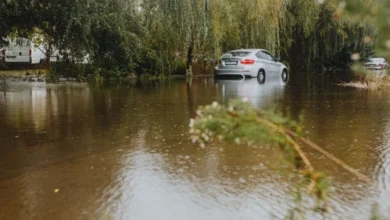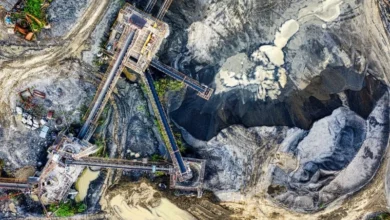

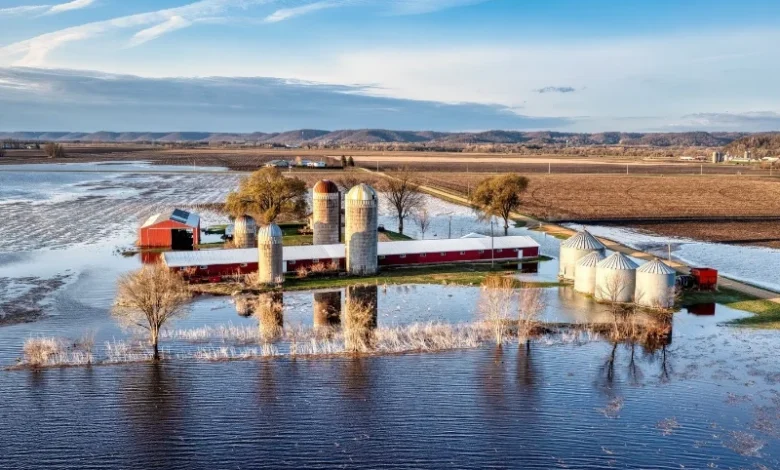
Individual extreme events create significant damages on their own. But when heat, drought, wildfire, and rain follow each other rapidly, the overall damage increases. Scientists refer to such events as compound disasters or cascading events and these events are expected to grow more frequent.
How are Compound Disasters Interrelated?
Long heatwaves cause vegetation and soil to dry out. Wildfires burn the vegetation and release carbon into the environment. Following some heavy rains, the water will not be absorbed into the now dry soils and the floods will occur. Each time an event occurs, it reduces the ability of the ecosystem to withstand the adjacent event or a shock.
Where is the Situation Most Dangerous?
Some regions of the world like the Mediterranean region, western North America and Australia have experienced several cycles of heat, fire, and flood. The IPCC warns about the continuation of this pattern in the future due to climate change.
How to Avoid Compound Disasters’s Damages?
To minimize the damages, better land management, early warning systems that can track different compound disasters, and infrastructure that has been prepared for the successive shocks should be put in place. Treating single events separately is no longer enough.
Related Reads
What Were 2025’s Worst Disasters?
Review the major environmental disasters of the previous year.
Atlantic Hurricane Season 2026: What Did It Show?
See the lessons from a season of rapid intensification.
Hot Nights: How Rising Temperatures Are Stealing Sleep?
Understand the health burden of warmer nights.
Himalayan Glaciers Melting: Threat to Rivers?
Learn how ice loss raises both flood and water-scarcity risks.
Winter Smog: Why Do Cities Choke?
See another way extreme conditions trap pollution.