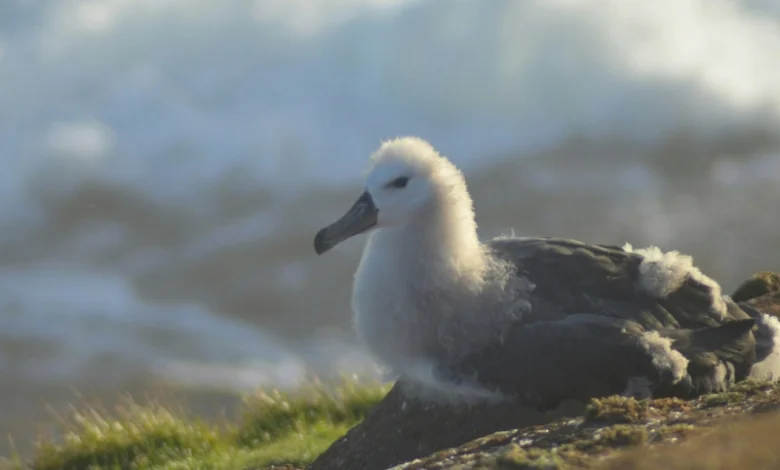
Although albatrosses have been living in the ocean for about 70 years, they still belong to the list of endangered birds. According to a 2017 research conducted by UBC, scientists have observed a albatross decline of the seabird population by 70 percent in comparison with the results recorded in the 1950s; albatrosses were the species with the most significant decline.
Various fishing methods kill albatrosses.
Bycatch associated with longline, trawl, and artisanal fishing is the biggest threat. Among 29 species of petrels and albatrosses, 19 are reported to be on the verge of extinction and 11 are getting less numerous. It is estimated that around 160,000 – 300,000 seabirds are dying because of the use of longlines every year, but the long life span and reproductive rate of the albatrosses does not make it easy to recover.
Which other factors put albatrosses at risk?
Albatrosses decline is a threat not only from the fishing industry. Mice and cats disrupt chicks, avian cholera affects different communities of birds, and plastic impacts their body. Additionally, marine heat can be another negative factor.
Is there any optimistic forecast regarding the future of albatrosses?
There is hope. Albatrosses received help from the BirdLife organization in Namibia, where the bycatch was reduced by 98%, and invasive species have been removed from many islands. The main gap is enforcing best practice on the high seas.
You May Like It
Why are kelp forests disappearing?
See what threatens the ocean’s underwater forests.
Are coral reefs on the brink?
See what mass bleaching means for the ocean.
Why are seas running out of oxygen?
Read about ocean dead zones.
Should we dig up the ocean floor?
Weigh the risks of deep-sea mining.
Do whales help the climate?
Find out how sea giants help capture carbon.