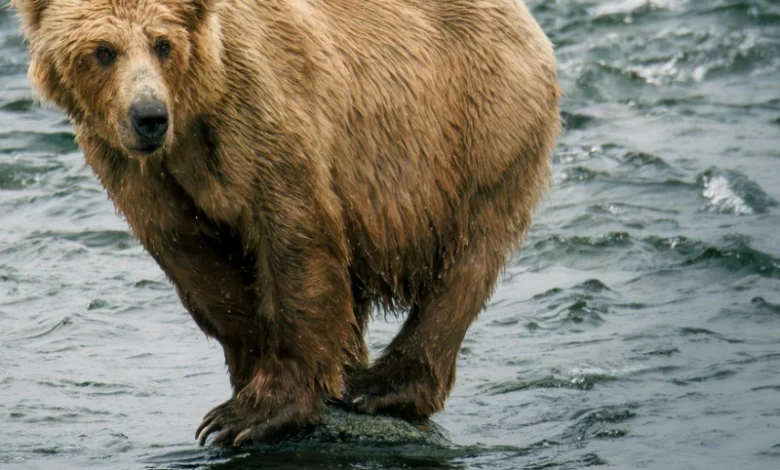
There are almost 26,000 polar bears residing in the Arctic region, and since their living conditions are threatened due to diminishing sea ice, thus making them vulnerable species according to the IUCN.
Is the species dying?
The decline in the number of polar bears is of different scope depending on the region. The populations in Western Hudson Bay are declining while the condition in Southern Hudson Bay is stable compared to other regions that are seriously impacted in terms of bear population decline.
What is going to happen?
IUCN claims there might be about 30% of bear populations disappearing by 2050. Bears in Hudson Bay face up to five-month ice-free periods, which impacts on the species and makes it impossible for them to reproduce successfully. The ice period has decreased for bear populations by one day.
Is there anything positive?
Partly yes. Although the population in the Chukchi Sea is experiencing changes as well, it is still healthy and alive.
Read more Environmental Changes
Are coral reefs on the brink?
See what mass bleaching means for the ocean.
Do whales help the climate?
Find out how sea giants help capture carbon.
Why are seas running out of oxygen?
Read about ocean dead zones.
Could we dim the sun to cool the planet?
Weigh the risks of solar geoengineering.
Are Himalayan glaciers melting?
See what it means for South Asia’s rivers.