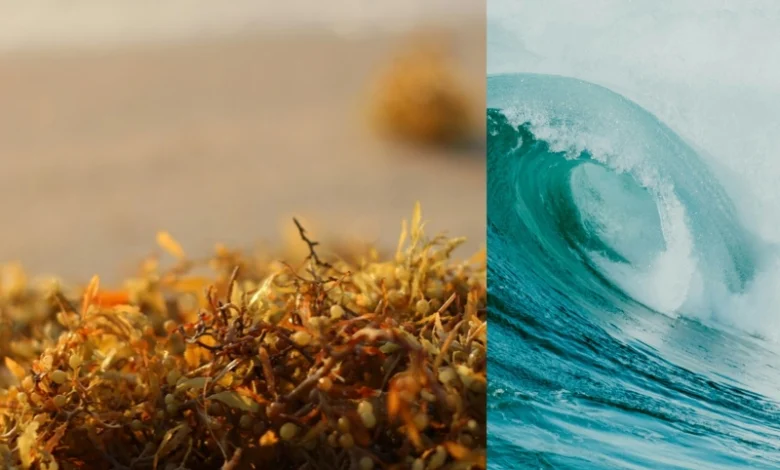
Sargassum algae have been covering beaches from Mexico to the Virgin Islands this year. The blooms are expected to reach a record of 40 million tons, while a year for which a similar quantity of algae was recorded is expected to take place in 2026.
What Is the Cause of Growth?
The Great Atlantic Sargassum Belt has expanded its boundaries since 2011, and this year scientists recorded the growth of a large quantity of algae in the Caribbean and the Gulf of Mexico for the first time. The speculation is that the growth of sargassum is fueled by agricultural runoff, rising ocean temperatures, and changes in currents and winds.
How Does It Affect the Environment?
Decaying piles of seaweed emit toxic substances like hydrogen sulfide and ammonia, which may cause nausea, headaches, and lung irritation, according to US-EPA, reducing quantities of oxygen in the water near the shore, suffocating mangroves and blocking light from penetrating into the waters of coral reefs and seagrasses.
Are the Ways of Controlling Growth Possible?
Mexico plans to allocate $115 million for its plans although Mexico can only collect around 1,200 tons a day while the amount can reach over 9,000 tons on the worst days. Additionally, barriers hand collection and composting help, while warming seas, as in our report on marine heatwaves, add pressure.
Related Reads
Why are seas running out of oxygen?
Read about ocean dead zones.
Why are kelp forests disappearing?
See what threatens the ocean’s underwater forests.
Do whales help the climate?
Find out how sea giants help capture carbon.
How does noise harm marine life?
Explore the toll of ocean noise pollution.
Should we dig up the ocean floor?
Weigh the risks of deep-sea mining.