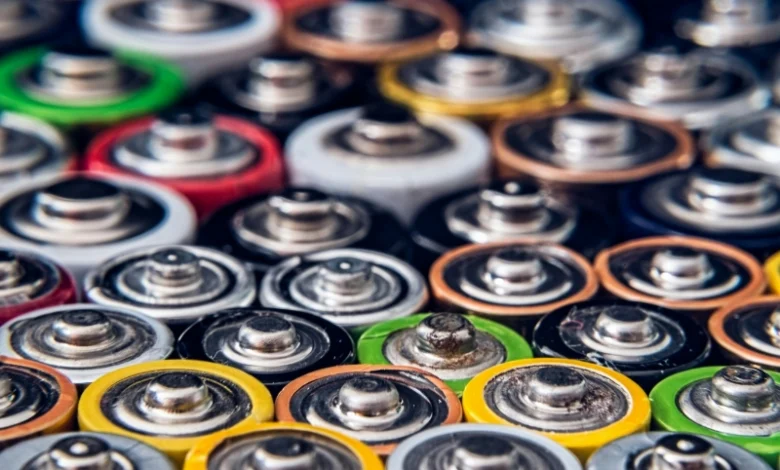
Solar energy and wind energy are able to offer power only when there is sunlight or wind respectively. Grid Batteries store extra and emit energy when required. In 2025, the world has added a new record 108 gigawatts of battery storage, which is a rise of 40 percent.
Reason for rising development of Grid Batteries?
Due to a decline in battery prices of more than 90 percent since 2010, lithium iron phosphate chemistry is responsible for about 90 percent of the installations. For example, solar energy has added 6 gigawatts of energy in comparison with its production in 2016, which is 56 gigawatts in total.
What can it do for grids?
Batteries help reduce short-term fluctuations and provide higher stability of the grid. In Australia, grid batteries have made about 18 percent of the total dispatchable capacity. Thus, the battery is ahead of China in that it has only 7 percent of total dispatchable capacity.
What is interesting in the Batteries?
Battery storage has limitations – today, they can keep energy only for several hours. However, the trend is to develop long-term storage of energy that will last for 6 hours and more. Batteries also rely on lithium mining, which has environmental costs.
You May Also Like
Can panels on water power the future?
Find out how floating solar could work.
Is nuclear power part of the solution?
Weigh the case for nuclear energy.
What are heat pumps?
Learn how this quiet technology heats and cools homes efficiently.
Why is concrete a big emitter?
See how cement drives climate change.
Should we dig up the ocean floor?
Weigh the risks of deep-sea mining.