Open your kitchen bin and have a look. Mostly peels, tea bags and coffee grounds, right? All of that can become free plant food if you start composting at home. No garden is needed. A balcony or a corner of the yard will do, and you’ll throw away less food waste every week.
How to Start Composting at Home
Many beginners think composting is messy or hard. It isn’t. If you’re curious about how to start composting at home, you only need a container, some scraps and a little patience. Here is the process I’d suggest, in order.
Step 1: Choose a Bin and a Spot
Find a shady, flat place. Then get a compost bin. Almost anything works:
- A homemade wooden box
- A tumbler that spins
- A worm bin or lidded bucket if you live in a flat
Step 2: Collect Greens and Browns
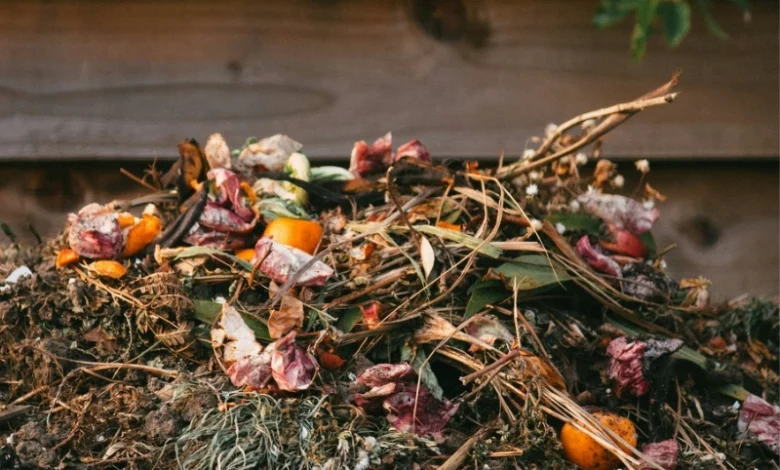
Greens are soft and wet, like peels, tea bags and coffee grounds. Browns are dry and crunchy, like dead leaves, cardboard and paper. Cornell University explains how brown materials let air into the pile and stop bad smells.
Step 3: Layer Everything
Put some twigs down first so air can get underneath. After that, add browns, then greens, and repeat. Use about two handfuls of browns for each handful of greens. Cut scraps small, since big chunks take forever.
Step 4: Water and Turn the Pile
The pile should feel like a squeezed-out sponge. If it’s dry, add a splash of water. If it’s soggy, throw in more browns. Stir it every week or two. Leave out meat, dairy and oily leftovers, because they attract rats and flies.
Step 5: Use Your Compost
In two to six months, you’ll see dark, crumbly soil that smells like the woods. Mix it into plant pots or spread it over flower beds.
You may also like
Is healthy soil running out?
See why [soil degradation]threatens food supplies.
How do we build a sustainable food system?
Explore the goals behind [sustainable food].
How can you recycle electronics safely?
Follow this simple [checklist] for old gadgets.
Why are some seas losing oxygen?
Explore the causes of ocean [dead zones].
Can renewable energy deliver a greener future?
See how [renewable energy] could change daily life.