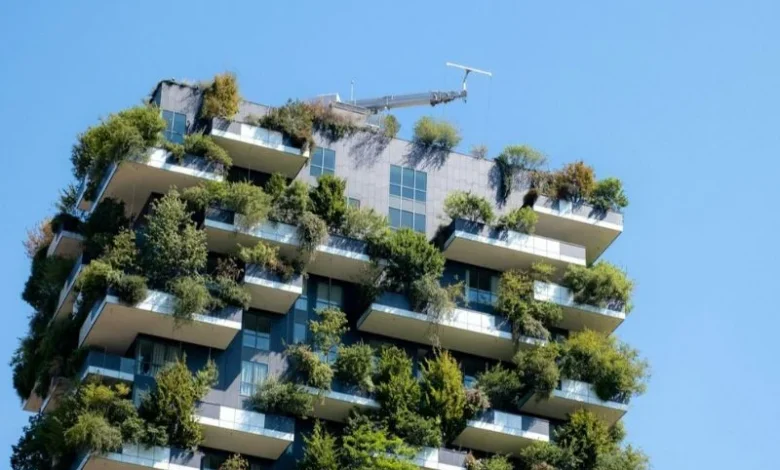
Singapore features buildings that make use of plants, from the creepers used in the building of the 27-floor Oasia Hotel Downtown to gardens that sit among housing blocks. vertical forests Singapore cooling, But how much do these plants actually help cool the areas around these buildings?
What are the outcomes of studies?
A research study carried out on 20 green walls showed some degree of cooling that was observed within the walls of the buildings where plants exist. This cooling value was recorded to be from 0.6 to 0.7 degrees Celsius. Experts think that this is a low value because, while it will contribute to lowering energy costs, it still helps to create more comfortable buildings.
What Is The Impact Of Plants? – vertical forests Singapore cooling
A simulation research conducted in Singapore has shown that a green wall is the most useful for the people that walk in its vicinity. This research also established the fact that the double-layered green wall of a commercial building is capable of reducing its cooling needs up to 32%.
Conclusion from this Experience
Vertical greenery alone will not cool down a whole neighbourhood. It’s best adjacent to street trees, parks and ventilated design, increasingly important as extreme heat becomes more prevalent. Green walls also provide for wildlife when connected to larger green areas.
You May Also Like
Why are top floors hotter?
Learn how to fix summer heat at home.
What are heat pumps?
Learn how this quiet technology heats and cools homes efficiently.
What do weather alerts mean?
Decode yellow, orange and red warnings.
Can growing food indoors help?
Weigh the pros and cons of vertical farming.
Can panels on water power the future?
Find out how floating solar could work.