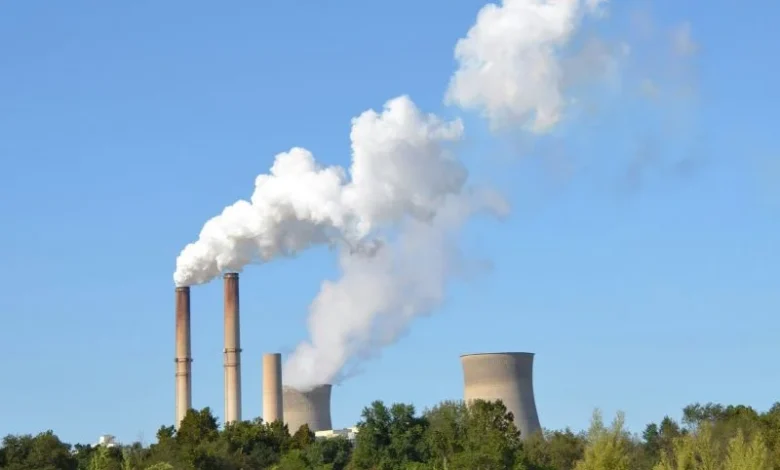
Despite the increasing popularity of carbon capture, it is still a minor technology. As of 2025, there were 77 plants with total capacities of about 64 million tons of CO2 in that year alone – a 54% increase from the figure for the previous year.
How far away are we from the goal?
According to the IEA’s net-zero development strategy, the required figure is 1,024 million tons of emissions captured in 2030 which suggests that the current figure is only a fraction of that. Though the plans prove to be claiming 513 million tons, almost half of that amount is still being constructed. Most captured CO2 is also still used rather than stored, including for enhanced oil recovery.
What are the costs?
The cost is determined through concentrations of the gases and is as follows:
- Concentrated flows – $15–35 per ton (gas processing).
- Cement, steel, electricity – $50-$120 per ton.
- Direct air capture – $340–1,000 per ton.
What role does it play? – carbon capture technology
Most importantly, the carbon capture technology is used for hard to eliminate emissions such as cement, steel and chemicals. As such, it captures the emissions rather than removes CO2 from the air and should not be considered a way to reduce emissions at the source. In the IEA’s net-zero development plan, carbon capture contributes 8% in terms of accumulated emissions reduction.
Read more Environmental Changes:
Why is cement so polluting?
Understand why concrete is a top emitter.
Can Renewables Deliver a Greener Future?
Weigh the promise and the limits.
Will Countries Hit Food Goals?
Find out why most may miss 2030 targets.
Can heat pumps cool homes too?
Learn how heat pumps heat and cool efficiently.
Can solar panels float on water?
Discover how floating solar could add clean power.