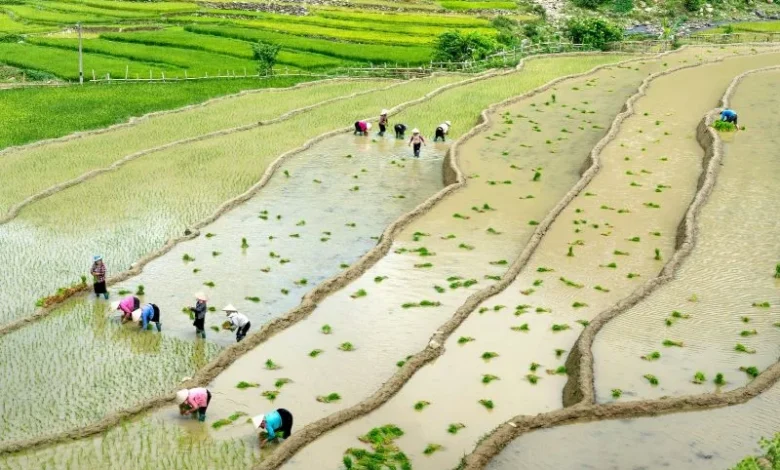
Rice paddies produce plenty of methane since the organic matter decomposes in anaerobic conditions. Rice farming methane, The rice paddies in India produced nearly 3.2 million metric tonnes of methane in 2020, amounting to about 23% of all methane emissions in agriculture.
What Can Farmers Do?
1- Alternate wetting and drying: Methane emissions may be reduced by up to 70% by drying rice paddies between irrigation events.
2- Direct-seeded rice: this method may cut methane emissions by as much as 40%.
3- Field experiment: a study conducted in 30 locations in the Indian states of Telangana and Andhra Pradesh showed a reduction of methane emissions by 20-40%.
4- Other alternatives: The System of Rice Intensification method reduces water use and the amount of seeds needed.
Is It Not So Simple?
The results are not the same because of varying soil and water conditions, so in order for carbon credits to be granted accurate measuring should take place. Some experts suggest that India had not joined the initiative right away.
Why Should It Matter For Farmers? – rice farming methane
According to one report, the technique is beneficial for reducing watering as well while being able to produce crops at usual yield levels.
Read more on Environmental News:
Is Food Security at Risk?
See how climate change threatens the food supply.
How Do Communities Fight Drought?
Meet the volunteers in Hungary building their own dams.
Will Countries Hit Food Goals?
Find out why most may miss 2030 targets.
Is healthy soil running out?
See why soil degradation threatens food supplies.
Can Renewables Deliver a Greener Future?
Weigh the promise and the limits.