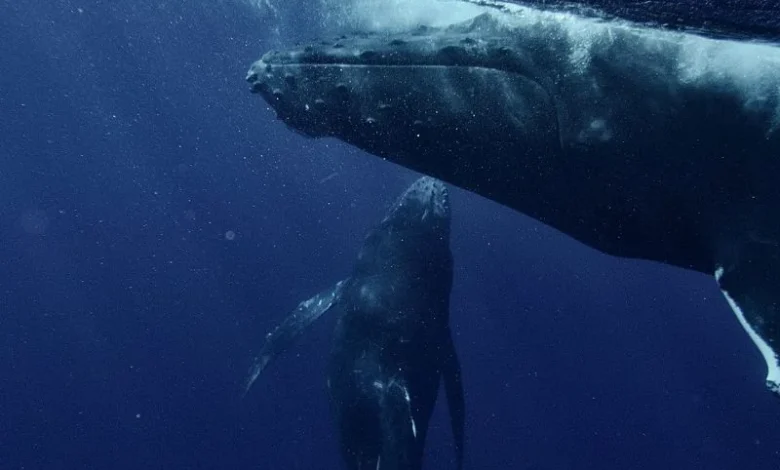
Whales help combat climate change. Studies conducted by the IMF claim that one whale captures approximately thirty-three tons of CO2 throughout its lifetime because when it dies, whales carbon capture, it sinks to the bottom of the ocean, storing carbon.
How is carbon stored in whales?
Whales store carbon in their bodies and once they die, they sink and carbon lies on the sea bed for years. Whale falls are about sixty percent of the total carbon stored in marine sanctuaries in the San Francisco area.
What is the role of whale waste?
Whale waste is great in nitrogen and iron, both of which feed phytoplankton. Phytoplankton captures around thirty-seven billion tons of CO2 every year which amounts to forty percent of emitted CO2 in total. That is why researchers call it the ‘whale pump’.
Big numbers
- Value: The whale is estimated to be more than two million dollars worth including carbon, tourism and fisheries.
- Potential: Returning the number of whales to pre-whaling levels of four to five million could result in capturing one billion seven hundred million tons of CO2 per year.
- At the moment: The total number of whales is around one million three hundred thousand.
Caution – whales carbon capture
These are estimates from a preliminary study. “Whales are not a solution to replacing emissions cuts, but safeguarding them benefits ocean health and may have some carbon benefits.”
Stay informed on nature’s biggest global events
Which Species Are Recovering?
Meet 10 endangered species making a comeback.
How Harmful Is Plastic Pollution?
Explore its impact on ecosystems.
Is Food Security at Risk?
See how climate change threatens the food supply.