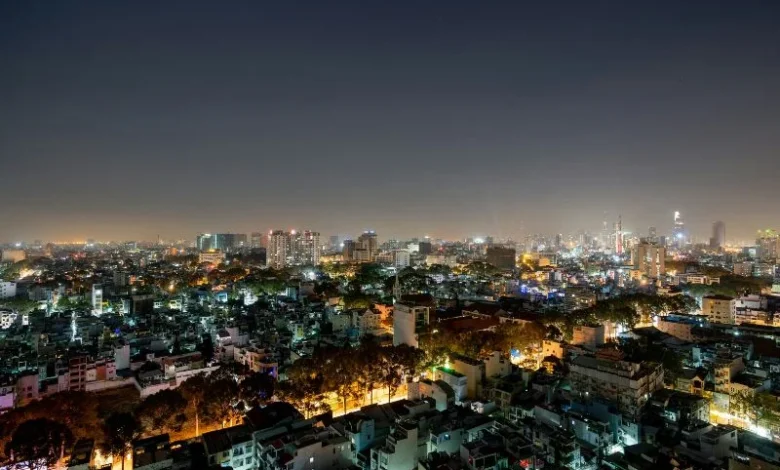
If someone steps out in a large city at night, there are hardly any stars in the sky. Light pollution wildlife has spoiled the view of the night sky since it appeared much faster than satellites as per studies showed. However, its effects are more far-reaching than just a lost picture.
How Light Affects Animals
- Sea turtles: Hatchlings find their way to the ocean due to the light on the horizon while man-made light leads them in the wrong direction.
- Birds: Millions of birds die every year because they either crash into lit buildings or get lost.
- Insects: Street lamps may either burn insects or wash out the light emitted by fireflies.
- Bats: Light around their roostings delays their emergence when insect activity is highest.
- Plants: At the same time, light may hinder the possibilities for pollination.
The Cause of Worsening Situation
Light pollution occurs when some light ends up in the sky and causes skyglow. More skyglow leads to fewer visible stars. It was depicted in the global atlas in 2016.
What Is the Effect on Humans?
The changed light patterns may reach bodily functions that control circadian rhythms such as sleep and should also be noted as an energy waste.
What Can You Do ? – light pollution wildlife
Use only the light you need, turn off outdoor lights you don’t need and support local night-sky protection. Some small changes and the stars are back.
Stay informed on nature’s biggest global events
Why Do Insects Matter?
Learn their role in ecosystems.
Why Do Butterflies Get More Attention?
Read about butterfly conservation.
Which Species Are Recovering?
Meet 10 endangered species making a comeback.