The existence of microplastics, small pieces of plastics, can be detected in your kitchen which is probably where their path goes to your food. Don’t be worried as by implementing some easy changes you can decrease the chances of being exposed to them.
Main Sources of Microplastics in kitchen
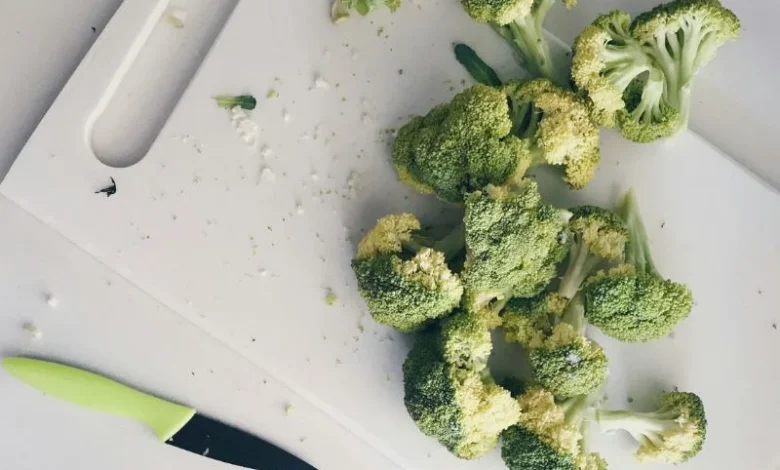
1-Plastic cutting boards: A recent study from 2023 says that a polyethylene board can give out between 7.4 and 50.7 grams per person each year.
2-Heated plastic containers: Microwaving contributes to the release of millions of microparticles. “Microwave-safe” means that the plastic won’t melt.
3-Plastic tea bags: Steeping one at brewing temperature can let a big amount of particles out.
4-Bottled water: French scientists found microplastics in 7 of 9 bottled mineral water brands.
5-Kettles, blenders, mixing bowls: Studies connect lots of plastic items in the kitchen with microplastics in the food we eat.
6-Sponges: They are also in the same list of kitchenware items which release microplastics.
7-Baby bottles: Babies can be exposed to a big number of particles through their milk.
What to Do?
Transfer food to either glass or ceramic container before microwaving, use bamboo or wooden cutting boards, drink tap water and brew loose-leaf tea. Experts recommend not replacing every single item at once. Health effects are still under study. Place food on a plate before you microwave it. Also, there are few studies on the risks of tea-bags.
Stay informed on nature’s biggest global events.
How Harmful Is Plastic Pollution?
Explore its impact on ecosystems.
How Do You Recycle Electronics Safely?
Is Food Security at Risk?