The Hungary drought has become a daily worry for people living on the Great Hungarian Plain. Wells are running low, lakes are shrinking and crops struggle through hotter summers. Rather than wait for outside help, some farmers and neighbours have started holding water on their own land. Their volunteer effort shows how much a small community can do. Here is how it works and why the world is watching.
Why the Hungary Drought Keeps Getting Worse
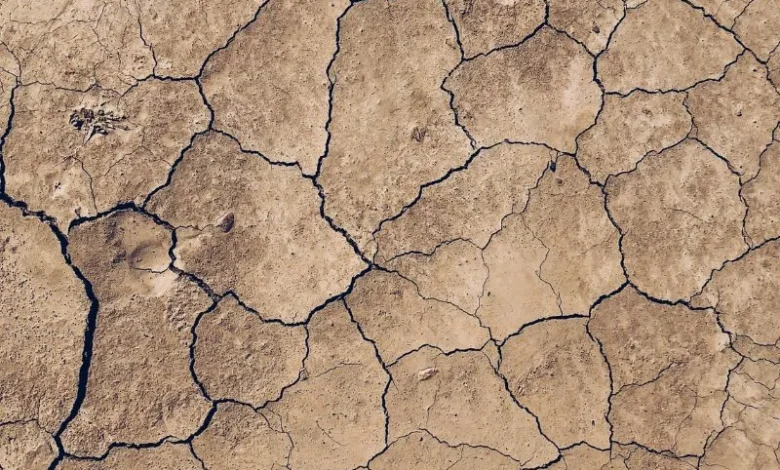
The land between the Danube and Tisza rivers once held shallow lakes, marshes and channels. Over the years, drainage, rising heat and falling groundwater have dried much of it out. In 2022, the agriculture ministry reported historic drought damage across roughly 550,000 hectares of farmland. One farmer said the channels near him had last been full in 2019. For families who depend on the soil, this is not a distant climate story. It decides what they can feed their animals and what they can sell.
Meet the Water Guardians
In the village of Kiskunmajsa, farmer Oszkár Nagyapáti kept asking himself where all the water had gone. His answer was to bring it back. He now leads a volunteer group called the water guardians. It has grown past 30 members, and most of them are farmers and neighbours who give their spare time to the work.
How the Dams and Ponds Work
The idea is simple. Low earth banks stop water from running off, and shallow flooded fields let it sink slowly into the ground. That helps refill the groundwater below. One flooded area is expected to leave about 2.5 hectares of open water when it is finished. Small water points also give wild animals somewhere to drink during dry spells.
Why Thermal Water Matters
Hungary is known for its spas, and hot water sits deep beneath much of the country. The volunteers use thermal water left over from spa use. Instead of letting it drain away, they guide it onto dry fields where it can do some good.
What Experts and the Government Say
Meteorologist Tamás Tóth has said that keeping water on the land will matter for generations, because climate change is not slowing down. Wetlands can also cool and moisten the air around them. Weather-damaged crops have hurt the national economy, and Prime Minister Viktor Orbán announced a drought task force to respond. The volunteers hope their pilot projects will encourage other villages to follow.
Lessons Anyone Can Borrow
You do not need a spa or a big budget to use these ideas. Communities anywhere can try these steps:
- Find where rainwater runs off your village or farm.
- Build low banks or shallow basins to slow it down.
- Reuse spare water instead of letting it go to waste.
- Ask local councils and water agencies for advice and permission.
- Bring in neighbours, because shared work lasts longer.
Conclusion
The Hungary drought is a serious warning, but the people of Kiskunmajsa show that ordinary citizens can respond. With simple dams, flooded fields and spa water, they are protecting soil, farms and wildlife. Water retention is practical, affordable and open to any community. Start small, protect every drop, and share what you learn.
Stay informed on nature’s biggest global events.
How Active Is Russia’s Volcano?
Find out what triggered this rare volcanic eruption after the powerful earthquake.
Could Japan Face Another Disaster?
Dive into Japan’s ongoing efforts to tackle earthquakes and volcanic threats.
Is Vanuatu Safe To Visit?
Check out the latest travel guidance after the recent major earthquake.
Why Is The Ozone Recovering?
Uncover what the smaller Antarctic ozone hole means for the environment.
How Vital Is Ayeyarwady River?
Look into why protecting Myanmar’s lifeline is crucial for communities and nature.