Singapore Island Merger Plan Could Bury Coral Reefs and Change Life for Orang Laut Fishers

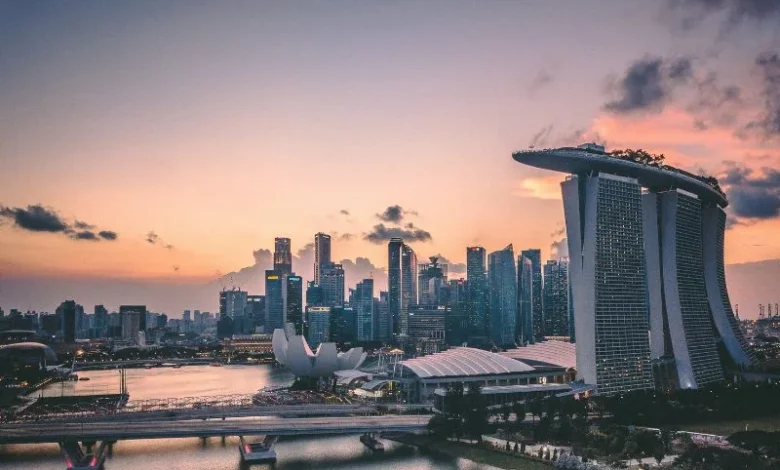
Singapore has very little land, so it keeps looking to the sea for more. Singapore island merger plan, This August, the prime minister revealed a Singapore island merger that would fuse several small southern islands into one large western island. Marine scientists say the project could bury most of the country’s last coral reefs. For the people who fish and study these waters, the news landed like a shock.
What Singapore Wants to Build
The government plans to reclaim about 590 hectares of sea and join islands including Pulau Semakau, Pulau Bukom and Pulau Sudong. The new land would host advanced manufacturing, energy and defence work. Leaders point to Jurong Island, created in the 1980s from seven islands, as proof that this approach pays off for decades.
No start date has been given, and officials say detailed studies must come first. Some people have guessed that a nuclear power plant could go there, but nothing has been confirmed.
Why These Coral Reefs Are So Valuable
Around 60% of Singapore’s remaining reefs sit in this area. The country has already lost roughly two thirds of its original reefs since the 1960s, so what is left counts for a lot.
Old Corals Cannot Be Moved
Some colonies are large and old enough to breed. Their young drift on ocean currents and help restock damaged reefs far away. Biologist Debby Ng says these giants are too heavy and complex to relocate, so building over them means giving them up for good. Dredging also stirs up mud, and cloudy water blocks the sunlight corals need to live.
Years of Restoration Work in Doubt
Singapore has spent time and money growing back coral reefs through its 100k Corals programme. Marine scientist Sam Shu Qin says the announcement feels like a big step backwards. Donors now wonder whether their support will be wasted.
How the Island Merger Affects Orang Laut Fishers
The island merger also worries the Orang Laut, a seafaring community whose name means “sea people” in Malay. Members say nobody asked for their views. Cik Hamsa, aged 71, has fished around Pulau Sudong since he was 17. He fears muddier water will stop his traditional bubu traps from working, and says starting over somewhere new would not be easy.
Relatives across the border in Indonesia’s Riau Islands say earlier reclamation cut their catches and pushed some families to move.
The Sand Question Nobody Has Answered
Building an island takes a huge amount of fill. A similar Singapore coastal project is estimated to need about 240 million tons. Singapore is one of the biggest sand buyers in the world, and several neighbours have limited exports because dredging damages rivers, coasts and villages.
Researcher Madhumitha Ardhanari notes that buyers mostly check whether sand was bought legally. What is harder to see is how it was taken and who bore the damage.
What Comes Next
The government has promised environmental studies and a new map of marine and coastal habitats. Conservation groups want Indigenous knowledge included in any assessment and want the sand supply made public.
Conclusion – Singapore island merger plan
This Singapore island merger shows a problem many coastal countries face. Growing economies need land, but coral reefs took thousands of years to form and cannot be rebuilt on demand. Protecting them, and the fishers who depend on them, will take open studies, honest sand records and real community voices. The takeaway is simple: ask for transparency now, because once the reefs are buried, no study can bring them back.
More stories on extreme weather.
Why Is Bangladesh Facing Flood Risks?
Find the latest climate insights.
What’s Driving India’s Weather Split?
Check out the extreme weather patterns.
Is Sonamarg Travel Safe Today?
Get to know the latest advisory.
How Severe Are China’s Floods?
Browse the latest emergency updates.
Why Is Northeast India Flooding?
Uncover the unusual jet stream effects.