Invasive Species in Rangelands: Why World Leaders Must Act Now to Save Grazing Lands

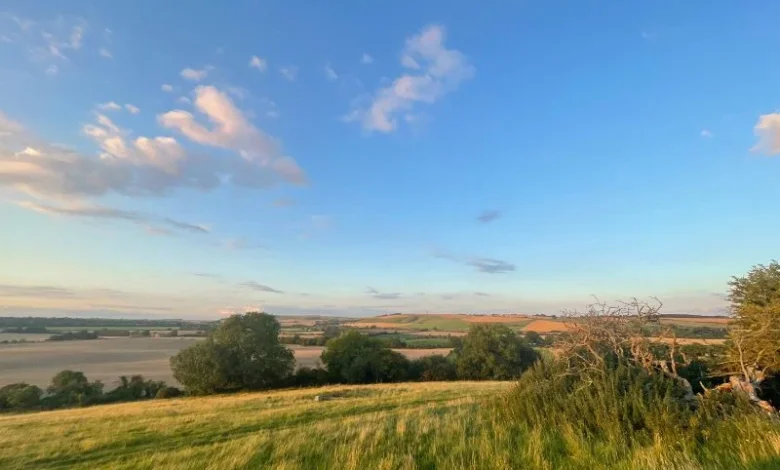
Across dry grasslands from East Africa to Central Asia, a hidden threat is spreading fast. Invasive species in rangelands are quietly destroying the pastures that half the world’s grazing areas depend on for food, water and income. Invasive species rangelands, These plants often look harmless, even attractive, but they are stripping the land bare and pushing millions of herding families toward hardship.
What Is Happening to the World’s Rangelands
Rangelands cover close to half of all land on Earth. They support roughly 500 million pastoralists who raise cattle, goats, camels and sheep for a living. These lands also store carbon, protect water sources and shelter wild animals found nowhere else.
Today, aggressive non-native plant species are taking over these landscapes. Some were brought in on purpose for shade, fuel or soil control, and others arrived by accident, carried by wind, vehicles or livestock. Once settled, they crowd out native grasses, dry up water points and, in some cases, injure or even kill livestock through thorns or toxic leaves.
Why Rangeland Degradation Is a Global Problem
This is not a local issue. It is a global food security and economic emergency. Invasive plants already cost Africa’s agriculture sector over 65 billion US dollars every year through lost crops, reduced grazing land and higher management costs. In Ethiopia’s Afar region alone, one invasive shrub has caused an estimated 602 million dollars in ecosystem losses over three decades.
Left unmanaged, scientists expect the total number of alien species worldwide to rise by a third by 2050. That means the true cost, already in the billions, could soon climb into the trillions.
Why Governments Have Been Slow to Respond
Part of the problem comes down to weak land tenure and governance in communal grazing areas. Many herders do not hold formal land titles. Without secure tenure, there is little reason for families or local authorities to invest time or money in fighting these invasions. Add limited rural banking access, patchy mobile network coverage and thin extension services in many herding regions, and it becomes easy to see why control efforts often stall before they even begin.
What Needs to Change
- Countries should track invasive species as part of their official land degradation reporting
- Governments must fund cross-border coordination, since invasive plants ignore national boundaries
- Communal land tenure needs stronger legal recognition and support
- Herding communities need training, tools and fair compensation to manage outbreaks early
- Development funders should treat rangeland invasions as a core climate resilience priority
Practical Steps Communities Can Take
- Report new or unfamiliar plant growth early to local agricultural extension offices
- Join community grazing committees where they already exist
- Use mobile based advisory services for weather and pasture alerts where available
- Avoid moving seeds or plant material through unwashed vehicles and tools
- Push local leaders to include invasive plant control in land use planning meetings
Conclusion – Invasive species rangelands
The fight against invasive species in rangelands cannot wait for another decade of quiet spread. Governments, donors and herding communities each hold a piece of the solution, and none of them can fix this alone. Real progress will come from better monitoring, fairer land governance and direct support to the pastoralists who spot these invasions first, often long before anyone else notices. The world’s grazing lands still have time to recover, but only if leaders choose action over delay today.
More stories on extreme weather.
Why Is Bangladesh Facing Flood Risks?
Find the latest climate insights.
What’s Driving India’s Weather Split?
Check out the extreme weather patterns.
Is Sonamarg Travel Safe Today?
Get to know the latest advisory.
How Severe Are China’s Floods?
Browse the latest emergency updates.
Why Is Northeast India Flooding?
Uncover the unusual jet stream effects.