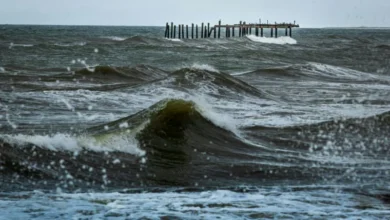
Typhoon Dujuan Batters Japan: Millions Face Floods, Landslides and Travel Chaos Across Tokyo and Beyond

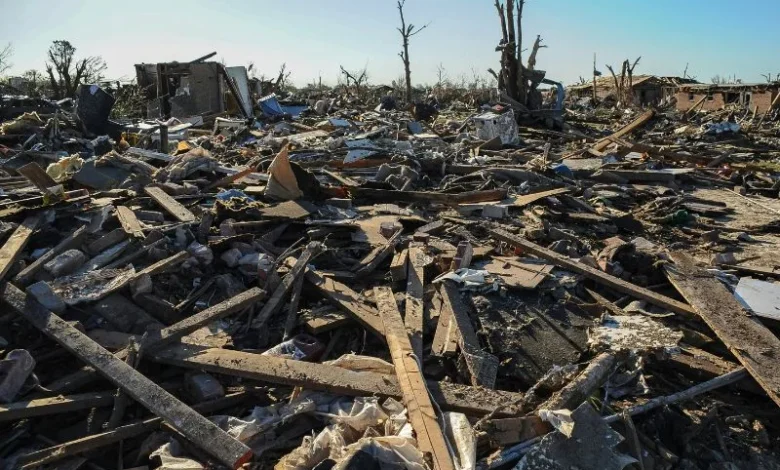
A major storm has put much of eastern Japan on edge this week. Typhoon Dujuan tracked close to the Boso Peninsula in Chiba prefecture before pushing near Tokyo, bringing heavy rain, strong gusts and a genuine risk of flooding to one of the world’s busiest travel hubs. Typhoon Dujuan Japan, For millions of residents, and thousands of foreign visitors caught mid holiday, the storm turned ordinary travel plans upside down almost overnight.
What Made Typhoon Dujuan So Dangerous
Dujuan was the 25th named storm of the western Pacific season, arriving with sustained winds near 108 kilometres per hour and gusts reported above 160 kilometres per hour. What worried forecasters most wasn’t just the wind. It was the timing. The storm struck during a five day national holiday, right when families across Japan were travelling home or heading out for short breaks.
The Japan Meteorological Agency also flagged something easy to miss from the outside: the ground across greater Tokyo was already soaked after unusually heavy rain earlier in September. Soil with nowhere left to drain can give way with far less rainfall than usual, which is why landslide warnings went out across hillside areas even before the heaviest bands arrived.
Warnings stretched across a wide part of the country, covering central Tokyo and the Kanto region, Chiba near the expected landfall point, the Tokai area where forecasters expected up to 300 millimetres of rain, and further out to the Izu Islands and the Pacific coast of Tohoku.
How the Storm Disrupted Daily Life
The effects went well beyond weather maps. JR East warned that train services in Chiba and neighbouring prefectures could be suspended through the worst of the storm, a serious concern in a country where so much daily movement depends on rail. International airlines flying into Haneda and Narita told passengers to expect delays and to check flight status before setting out.
Public events felt the strain too. Tokyo Game Show cut its final day short, and the Asian Games underway in Nagoya, Japan’s first time hosting the event since 1994, had to adjust its schedule after earlier rain had already forced athletes out of their accommodation.
Anyone in Japan during a storm like this benefits from a few practical habits rather than panic: checking official agency alerts directly, registering for airline update texts, staying off riverbanks and steep hillsides once heavy rain starts, keeping a phone charged, and acting the moment an evacuation notice is issued rather than waiting.
Conclusion – Typhoon Dujuan Japan
Typhoon Dujuan shows how even a well prepared country like Japan can face real danger when heavy rain lands on ground that is already full. The safest habit is simple: watch official updates, keep travel plans flexible during storm season, and act on evacuation guidance the moment it’s given.
More stories on extreme weather.
Why Is Bangladesh Facing Flood Risks?
Find the latest climate insights.
What’s Driving India’s Weather Split?
Check out the extreme weather patterns.
Is Sonamarg Travel Safe Today?
Get to know the latest advisory.
How Severe Are China’s Floods?
Browse the latest emergency updates.
Why Is Northeast India Flooding?
Uncover the unusual jet stream effects.