Rescue Teams Rush to Protect Orangutans as Wildfires Sweep Through Indonesia’s Palm Oil Plantation

Deep inside a plantation in West Kalimantan, a fire has done what years of conservation work tried to prevent. indonesian orangutan rescue, Rescuers are now racing against time to reach orangutans still stranded in a forest that was meant to be off limits to exactly this kind of destruction. It’s the sort of story that feels distant until you realise how much of the world’s palm oil, and the wildlife that depends on the land it comes from, is tied to decisions made thousands of miles away from most consumers.
Why This Fire Is So Hard to Fight
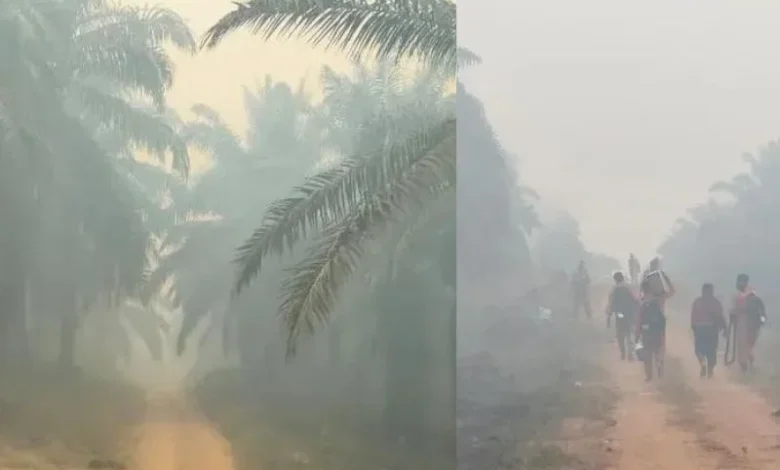
The land that burned wasn’t ordinary forest. It sits on peat, a dense, soggy layer of decomposed plant matter that can trap fire underground for weeks after the visible flames die down. That means a patch of ground that looks cold and safe on the surface can still be burning just beneath a rescuer’s feet. This one detail is why teams working in this orangutan habitat have had to move so slowly, testing the ground as they go instead of walking straight in.
What’s Actually Happening on the Ground
Several orangutans have already been carried out, exhausted and disoriented from days of heat and smoke. Others remain somewhere in the burned stretch, harder to find now that so many trees have fallen across the paths rescuers would normally use. Visibility has been poor, and the air itself has been part of the danger, not just the fire.
A Problem Bigger Than One Plantation
Fire risk is climbing across the wider region this year, driven by weather patterns tied to a warming Pacific Ocean that tend to bring drier, hotter conditions to Indonesia. Areas that were protected on paper, including land inside certified plantations, are proving just how easily that protection can fail once fire prevention slips. Conservationists are now asking for a proper, independent look into what went wrong here and why.
A Practical Way to Think About It
- Peat fires can burn invisibly underground long after flames disappear above
- Certification alone doesn’t guarantee a forest stays protected
- Rescued animals need immediate veterinary care, not just extraction
- Community-based fire prevention has worked before and can work again
Conclusion – indonesian orangutan rescue
What’s happening here is a reminder that protecting endangered species takes more than a label or a policy document sitting in a file somewhere. It takes people actually showing up, year after year, to stop fires before they start. Watching this unfold from anywhere else in the world, the takeaway is simple: real conservation is measured on the ground, not on paper.
More stories on extreme weather.
Why Is Bangladesh Facing Flood Risks?
Find the latest climate insights.
What’s Driving India’s Weather Split?
Check out the extreme weather patterns.
Is Sonamarg Travel Safe Today?
Get to know the latest advisory.
How Severe Are China’s Floods?
Browse the latest emergency updates.
Why Is Northeast India Flooding?
Uncover the unusual jet stream effects.