Fertilizer Pollution and Rising Ocean Heat Are Pushing Gulf of Mexico Coral Reefs to the Brink

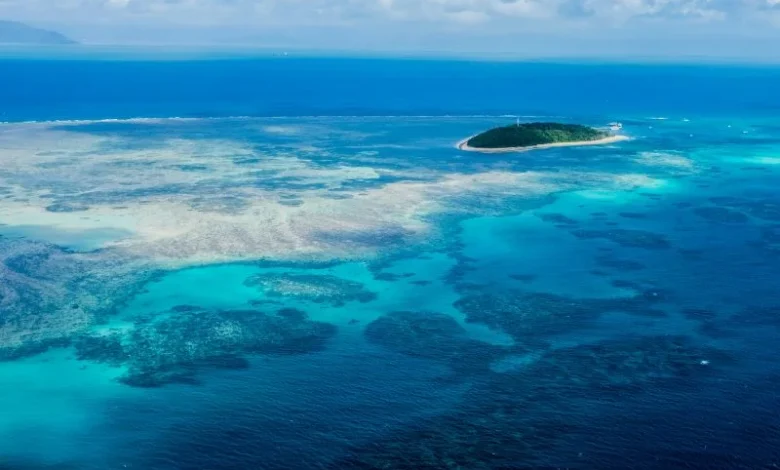
Most people picture coral reefs as bright, busy underwater worlds, the kind shown in animated films. Gulf Coral Reefs Facing Fertilizer Threat, The real picture, at least in the Gulf of Mexico, looks a lot less cheerful right now. New research shows that fertilizer runoff combined with extreme heat is wearing down reefs that scientists once considered tough enough to withstand almost anything. This isn’t just a local story either. Reefs everywhere play a quiet but massive role in ocean life, and what happens to one region often hints at what’s coming for others.
What the Study Actually Found
A team from the Max Planck Institute for Chemistry and Louisiana State University looked closely at coral samples pulled from the Flower Garden Banks National Marine Sanctuary, a reef system sitting far out in the northern Gulf. By checking nitrogen isotopes locked inside the coral skeletons, they managed to trace pollution sources back nearly 270 years, which is a fairly remarkable timeline for ocean data.
What they found was hard to ignore. Over the last several decades, more than 60 percent of the nitrogen reaching these reefs traced back to the Mississippi River basin. In some years, that number climbed to 80 percent. Most of it comes from synthetic fertilizer used across farmland in the central United States, which eventually drains into rivers and flows straight out to sea.
Why Fertilizer Runoff Harms Coral Reefs
Fertilizer does its job well on land, but the ocean handles it very differently. Once nitrogen builds up in seawater, it feeds algae growth, clouds the water, and puts stress on coral tissue. That stress makes reefs far more likely to catch disease or bleach.
- Nitrogen levels spiked in 2016 and again between 2022 and 2023
- Those exact years also brought severe marine heat waves
- Bleaching and disease outbreaks followed shortly after each spike
The Role of Extreme Heat
Fertilizer pollution on its own would already be a problem. Add extreme heat, and things get worse fast. Warm water weakens a coral’s natural defenses, so when heat and nutrient pollution hit together, reefs simply don’t get a chance to recover. The Flower Garden Banks had a reputation for shrugging off pressures that damaged reefs elsewhere. This study makes it clear that even a strong reef has a breaking point.
Why This Matters for a Global Audience
Coral decline isn’t just an American concern. Reefs in Southeast Asia, the Caribbean, East Africa, and across the Pacific face nearly identical pressure from farm runoff and warming seas. Coastal towns and cities everywhere depend on healthy coral reefs for fishing income, tourism, and protection from storm surges.
Simple Steps That Support Reef Health
- Back local and national policies aimed at cutting agricultural runoff
- Buy seafood from fisheries that follow sustainable practices
- Cut down on single-use plastics that eventually reach rivers and oceans
- Follow reputable marine conservation groups for updates on reef health
- Support responsible fertilizer use among farming communities near you
Conclusion – Gulf Coral Reefs Facing Fertilizer Threat
What this research really shows is that choices made far from the coast, like how much fertilizer goes on a cornfield, can travel hundreds of miles and hit ocean ecosystems most people will never see in person. Fixing this isn’t something governments or scientists can do alone.
More stories on extreme weather.
Why Is Bangladesh Facing Flood Risks?
Find the latest climate insights.
What’s Driving India’s Weather Split?
Check out the extreme weather patterns.
Is Sonamarg Travel Safe Today?
Get to know the latest advisory.
How Severe Are China’s Floods?
Browse the latest emergency updates.
Why Is Northeast India Flooding?
Uncover the unusual jet stream effects.