
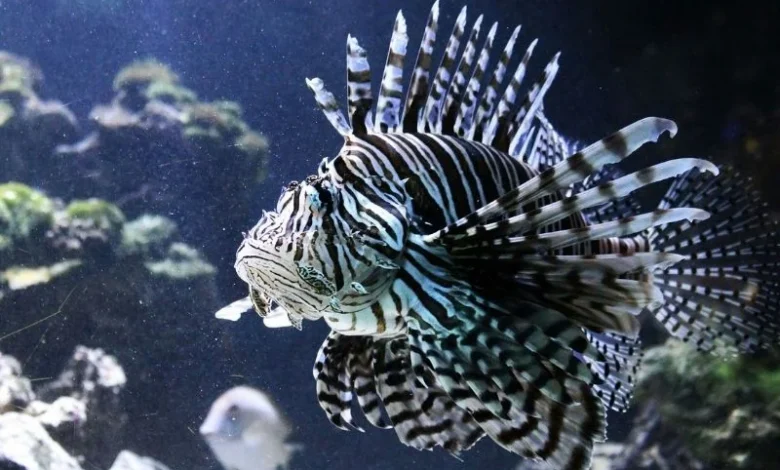
Off the coast of Honduras, a strange kind of conservation work is happening underwater, one spear at a time. Invasive lionfish have almost no natural enemies here, and their numbers keep climbing. honduran lionfish hunters, In the small town of Tela, a group of divers got tired of watching it happen and decided to do something about it themselves.
Why Lionfish Have Become a Problem
Lionfish don’t belong in the Caribbean. They’re originally from the Indo-Pacific, and most researchers believe they ended up in Atlantic waters years ago through the aquarium trade. Since then, they’ve spread steadily down the coastline, from Florida all the way to Central America.
The trouble is how well they survive here. They breed fast, eat almost anything that fits in their mouth, and their venomous spines keep most predators away. Give them enough time on a reef, and they’ll quietly thin out the small fish that keep the whole ecosystem in balance.
What the Divers in Tela Are Doing About It
A local dive instructor named Mario didn’t plan on becoming a lionfish hunter. He just wanted his home reef to stay healthy. He and a few other divers started building their own spears made specifically for catching lionfish, and eventually turned the hunts into something bigger, community derbies where teams compete for the most catches, the biggest fish, and even the smallest.It’s a small idea, but it works because it keeps people coming back.
Simple Ways the Effort Is Making a Difference
- Regular derbies keep more divers involved over time.
- Purpose-built spears make hunting safer and more effective.
- Local fishers are joining in, not just dive centers.
- Restaurants are starting to buy and serve lionfish.
- Hunting the same reefs repeatedly helps slow their comeback.
The Fight Isn’t Over
Lionfish bounce back quickly. A reef cleared one month can have new lionfish within weeks, which means this isn’t a problem anyone solves once and walks away from. The divers in Tela know this, so they’re focused on making hunting a habit, not a one-off event, while pushing restaurants to treat lionfish as a regular, sustainable menu item.
Conclusion – honduran lionfish hunters
What’s happening in Tela is a reminder that protecting a reef doesn’t always require big budgets or new technology. Sometimes it just takes a small group of people willing to keep showing up, spear in hand, for as long as it takes. Saving a reef often comes down to ordinary people who refuse to stop diving in.
Coral reefs face a growing global threat.
Are Kelp Forests Disappearing Too Fast?
Check out why kelp forests are rapidly declining.
How Is UAE Helping Coral Reefs?
Find out how UAE labs protect coral reefs.
What Helps Coral Reefs Recover Faster?
Uncover what supports reef recovery after bleaching.
Why Are Reefs Collapsing Across Countries?
Track down how climate change drives reef loss.
How Widespread Is Coral Bleaching Today?
Reveal how severely coral ecosystems are affected.