
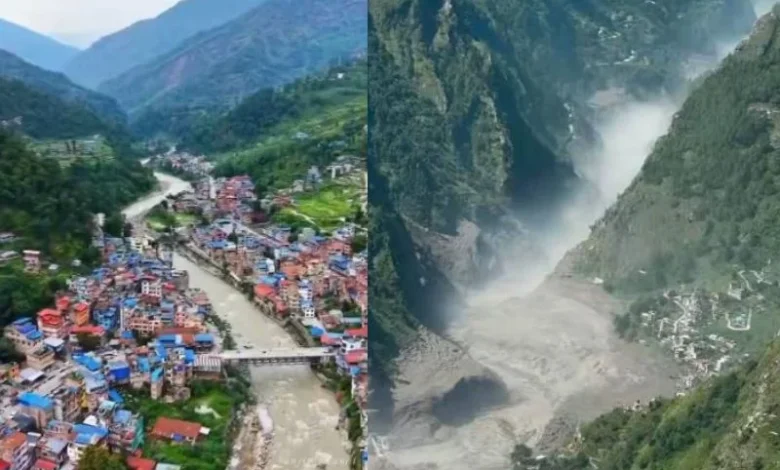
A sudden wall of water, mud and boulders swept through river valleys near Nepal’s border with Tibet this week. Scientists now believe a glacier collapse triggered it all. Nepal glacier collapse, Researchers have studied satellite images that show the lower part of a glacier collapse off and slid hundreds of meters down the mountainside before slamming into the valley floor. The result was a devastating flash flood that has left vast numbers of people dead or missing, and once again focused attention on the fragile Himalayan region.
What Happened on the Ground
Nepal’s disaster management authority said the flood in the Lhende River was caused by a landslide about 20 kilometers from a border crossing between Nepal and China. Water levels on a nearby river system rose by around nine meters in half an hour, a remarkable rise for anyone living or traveling along the route, it was reported.
Rescue teams recovered dozens of bodies in the first two days but hundreds of travelers, including many foreign trekkers, were still missing. The border authorities on both sides expect the final toll to climb well beyond the initial numbers as search operations continue.
The Breaking Up of the Glacier
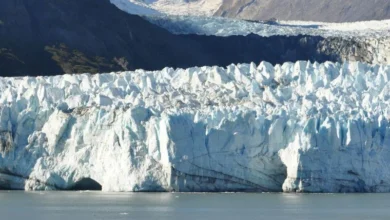
Geologists who have studied satellite imagery before and after the event say a large chunk of the glacier’s snout, its lowest, most exposed edge, broke away and dragged rock and sediment with it. One theory being explored is that an earthquake felt minutes earlier in the region was a factor. However, the US Geological Survey later said the tremor itself may have been the seismic signature of the collapsing ice mass and not a separate quake that caused it.
Other scientists point to a less dramatic, but equally important, clue: temperatures that are higher than usual. Snow that had blanketed nearby glaciers a day earlier had mostly melted away by the time of the collapse, suggesting that unusually warm conditions had weakened the ice before it gave way.
A red flag for the greater Himalaya
This is not an isolated event.” Research groups that monitor the Hindu Kush Himalaya region say that floods, landslides, avalanches and droughts are all becoming more frequent and more severe as the climate warms. Millions of people in Nepal, India, Bhutan, Pakistan and China live downstream of glaciers that are becoming increasingly unstable.
Why This Matters Globally
•Glacier-related disasters are no longer isolated events but are becoming a recurring climate risk.
•Known trekking corridors among mountain tourism routes are running right through valleys susceptible to floods.
•Early warning systems and satellite monitoring are proving key to saving lives.
•International cooperation is essential in glacier research, since these rivers cross national boundaries.
Conclusion – Nepal glacier collapse
The Nepal flash flood is a sobering reminder that glaciers once considered permanent fixtures of the landscape are now among the most unpredictable hazards in a warming world. As scientists continue to examine what exactly triggered this glacier collapse, the larger lesson is already clear: communities living near Himalayan rivers require improved monitoring, more rapid warning systems and increased international support before the next collapse.
Read more Climate Changes:
Which Hyderabad areas face worst heat?
Check the neighborhoods most vulnerable during extreme heatwaves in the city.
Which Indian cities face extreme heat?
Discover the regions across India at highest risk from rising temperatures.
Is major weather shift coming April?
Explore how upcoming weather changes could impact temperatures across India.
Which cities face climate risk 2026?
Check the urban areas under immediate environmental threat this year.
Why Chennai preparing early for heat?
Discover how Chennai is tackling rising temperatures and health risks early.