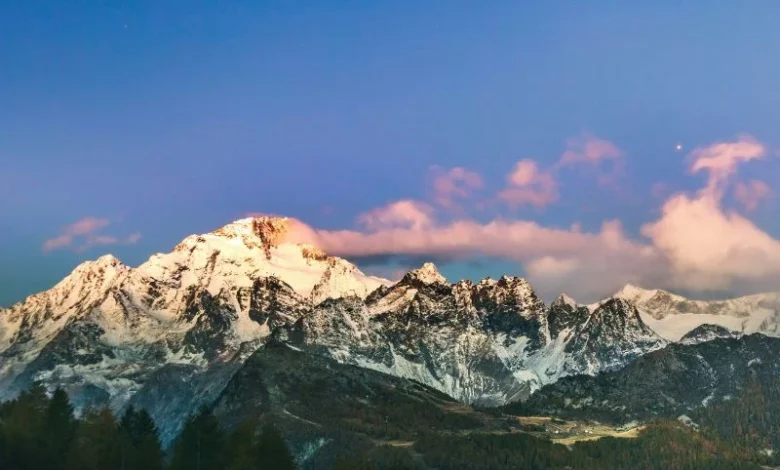
On Wednesday, a sudden flash flood tore through border areas of Nepal and neighboring Tibet, killing at least nine people and sweeping away homes, roads, and bridges. Himalayan disasters, Anyone who has followed the news out of this region over the last decade will recognise the pattern right away, because deadly disasters in the Himalayas have become an almost yearly occurrence, striking somewhere in the range during nearly every monsoon season. This piece looks at why the world’s tallest mountains have grown so dangerous, and what ordinary people living or travelling there can actually do about it.
A Dozen Years of Repeated Tragedy
Since the early 2010s, the belt stretching across India, Nepal, and nearby Tibet has seen one severe event after another. A glacial lake outburst flood in India’s Sikkim state killed 179 people when torrential rain caused a mountain lake to burst its banks, sending a wall of water crashing downstream without much warning. In Uttarakhand, a tunnel collapse trapped 41 construction workers underground for 17 days before rescuers finally broke through to reach them. Nepal, meanwhile, has been hit again and again by flooding and landslides during heavy monsoon downpours, with one such spell of rain killing at least 66 people. Taken together, these are not isolated accidents. They form a pattern that researchers keep tying back to rising temperatures and to how quickly the mountains are being built up.
What Is Driving These Disasters
Scientists and disaster analysts generally point to two forces working together.
- Climate change is warming the Himalayas faster than the global average, melting glaciers and swelling glacial lakes until they become unstable.
- Rapid infrastructure growth, including new roads, hydropower dams, and tunnels cut into steep, unstable slopes, is raising the odds of a landslide or sudden collapse.
Mix in heavy, unpredictable monsoon rain, and villages sitting along narrow river valleys end up dangerously exposed.
Who Is Most at Risk
The people affected are usually not tourists but local residents and low-wage workers.
- Construction labourers, often migrants from poorer states, working on tunnels and roads in remote mountain terrain.
- Farming families living in valleys directly below glacial lakes or steep slopes.
- Small hydropower and road projects with limited safety oversight.
- Communities with weak early-warning systems and patchy mobile coverage at high altitude.
Practical Steps for Residents and Travellers
For anyone living in or visiting these mountains, a few sensible habits can genuinely lower the risk:
- Check local disaster management alerts before travelling during monsoon months.
- Avoid staying overnight in valleys directly below known glacial lakes.
- Keep a charged phone and offline maps, since mobile coverage often fails first.
- Travel with local guides or trekking agencies who track weather and route closures.
- Support government-led early-warning drills and evacuation planning where available.
Conclusion – Himalayan disasters
Himalayan disasters are no longer freak accidents. They are the fairly predictable result of a warming climate meeting fast, sometimes careless development in one of the world’s most fragile landscapes. Until governments slow down risky construction and invest seriously in early-warning systems, these tragedies will likely keep coming back. The takeaway is simple: respect the mountains, stay informed, and never assume a calm Himalayan valley will stay that way.
More stories shaping our future.
Why Is Deep-Sea Mining Controversial?
Check out the growing global protests.
Which Technologies Could Change Everything?
Discover tomorrow’s biggest innovations.
Which Cities Face Extreme Heat?
Browse the world’s hottest hotspots.
Which Food Has Lower Emissions?
Find the greener meal choice.
How Is Manufacturing Evolving Fast?
Explore the technologies driving change.