Sand Overextraction Is Weakening Riverbanks Worldwide as Concrete Demand Soars

Walk along almost any riverbank today and it looks solid enough. But underneath, in many places, the ground holding that bank together is quietly disappearing. Sand overextraction is weakening rivers on nearly every continent, and the timing could not be worse, because the world’s demand for concrete has never been higher. This is not a niche environmental worry. It touches the safety of bridges, the price of a family home, and the farmland that feeds entire regions.
Why Sand Overextraction Is Happening
Sand and gravel make up most of the volume in concrete, and concrete is what modern cities are built from. As populations grow and towns turn into cities, builders need more of it every year. River sand is especially prized because its rough, angular grains bind well, unlike smoother desert sand.
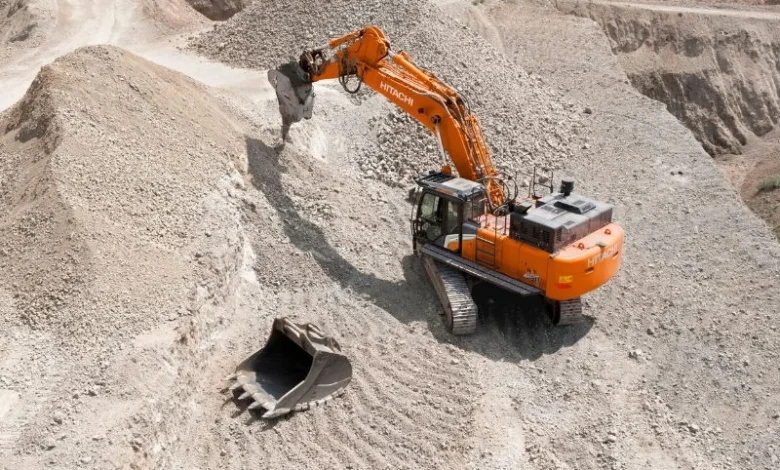
To keep pace, dredging crews now pull sand from riverbeds on a scale nature was never built to cope with. In several major deltas, extraction already runs far ahead of the rate at which floods can naturally rebuild the lost sediment.
How Riverbank Erosion Actually Happens
When too much sand is scraped from a riverbed, the channel deepens unnaturally. Engineers call this the “hungry water” effect, where fast-moving water with less sediment starts eating into the banks and bed instead. Over time this leads to:
- Riverbanks are losing support and collapsing, sometimes taking homes and roads with them.
- Bridges and pipelines built near riverbeds become unstable.
- Farmland close to rivers losing its fertile topsoil.
- Saltwater pushes further inland in coastal deltas, harming drinking water and crops.
- Fish and other river life are losing their natural habitat.
A Problem Felt Everywhere, Not Just One Place
This is not confined to a single country. Riverbank collapse tied to sand mining has been recorded on the Mekong, the Yangtze, and rivers across India, Bangladesh, and parts of Africa. Because sand is heavy and costly to move long distances, most of it stays close to where it was dug up. Local communities carry the real cost while the wider economy benefits from the construction boom.
What Communities and Governments Can Do
- Support local groups that monitor illegal or excessive dredging.
- Ask local authorities about permits before large-scale extraction starts nearby.
- Push for river-basin level management instead of scattered, site-by-site permits.
- Encourage builders to use recycled or manufactured aggregate where possible.
- Report sudden erosion or bank collapse to local disaster or environment offices right away.
Conclusion
Sand overextraction is a quiet crisis hiding inside a very visible construction boom. Every riverside community, whether in a growing city or a small farming village, has a stake in how sand is mined and managed. Steady local vigilance, backed by stronger river rules, can slow the damage before more banks give way. Protect the rivers now, or pay for collapsed land later.
More stories shaping our future.
Why Is Deep-Sea Mining Controversial?
Check out the growing global protests.
Which Technologies Could Change Everything?
Discover tomorrow’s biggest innovations.
Which Cities Face Extreme Heat?
Browse the world’s hottest hotspots.
Which Food Has Lower Emissions?
Find the greener meal choice.
How Is Manufacturing Evolving Fast?
Explore the technologies driving change.