The American West is facing a water crisis that is more than a drought story. A new study links the climate-related water losses of the region to emissions from large fossil fuel producers. fossil fuel emissions water loss, The findings frame the Colorado River water crisis within a larger conversation about climate responsibility.
Why the Colorado River Is Important
The Colorado River supplies water to about 40 million people in seven U.S. states, 30 tribal nations and Mexico. It also supports the major farming areas that grow fruits and vegetables for markets around the country.
But the river no longer provides the quantity of water expected in earlier planning. Long-term overuse has increased pressure while warmer conditions are reducing supplies available.
What did the new study find?
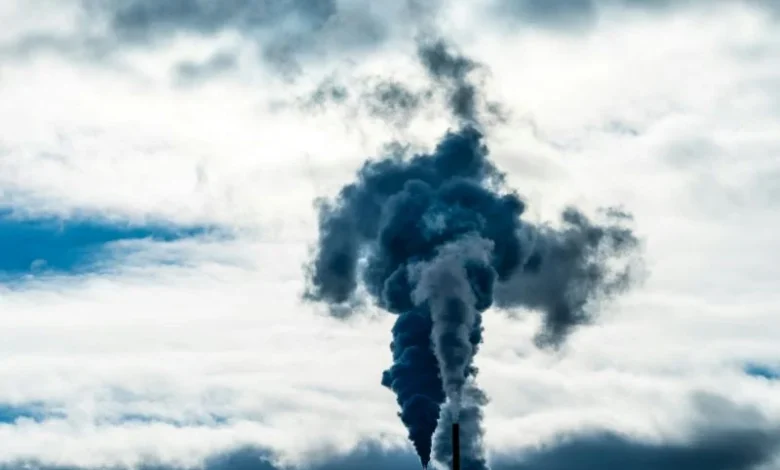
The study employs climate attribution techniques to investigate the effect of emissions on water availability. Its headline finding is arresting: emissions tied to the biggest carbon polluters were behind about half the climate-related water loss in the U.S. West.
Not that fossil fuel companies are literally drawing water out of rivers. Instead, their emissions history helped drive warming that changed snowfall, rainfall, soil moisture and evaporation.
This distinction is important for attributing responsibility for climate-related losses.
Climate Change Is Increasing Pressure
The Colorado River relies on snow that accumulates in the Rocky Mountains and melts into streams. Warmer temperatures could reduce snow accumulation and result in earlier snow melt.
Flows are already in decline across the basin. Recent averages have stayed well below twentieth-century levels, presenting serious challenges for reservoirs, farms and cities.
The problem is especially acute at Lake Mead and Lake Powell, where dropping water levels have also threatened the production of hydropower.
Potential Outcomes of the Findings
The work adds a new dimension to the debate over fossil fuel emissions. People often discuss climate change in terms of heatwaves, storms and rising seas. Another direct consequence is the water shortages.
The results could affect discussions on corporate responsibility, climate policy and potential legal action. They may also encourage officials to link emissions reduction to long-range water planning.
What Can Western Societies Do?
Scientific research alone is not enough to solve the water shortage. States, cities and communities still have to take practical steps to protect scarce supplies.
•Improve the efficiency of irrigation.
•Reduce unnecessary use of city water.
•Increase water reuse.
•Safeguard forests and watersheds.
•Plan farming around realistic supplies of water.
•Include tribal nations in water governance.
•Cut greenhouse gas emissions.
Conclusion – fossil fuel emissions water loss
The report doesn’t offer a one-size-fits-all solution to the Colorado River crisis. But it does illustrate the way global climate change can have consequences thousands of miles from the sources of emissions.
The American West faces both long-standing water overuse and a warmer climate.
Explore More: Discover the Ideas and Innovations Shaping Tomorrow
Which Technologies Will Transform Industries Next?
Discover the breakthrough technologies that could reshape traditional industries and the future of work.
Why Are Wetlands So Important Globally?
Explore the world’s most important wetlands and learn why they are vital for nature and humanity.
Can Innovation Improve Renewable Energy Reliability?
Check out the latest innovations making renewable energy cleaner, smarter, and more dependable.
Which Countries Lead Green Living?
Discover the 2026 ranking of the world’s greenest countries and their sustainability achievements.
How Are Cities Fighting Climate Change?
Explore the cities investing in climate-resilient infrastructure to