
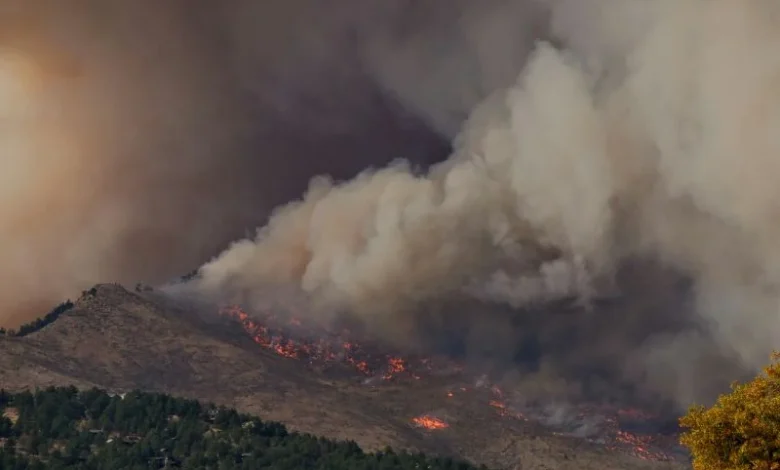
Forests that once bounced back from fire easily are now struggling to bounce back at all. In a large part of the United States, Wildfires are burning hotter, moving faster and covering more ground than they did 20 years ago. bigger hotter wildfires, It’s not just a bad year. It’s a quiet change, gradually changing how America’s forests grow, endure and recover when the flames sweep through.
Why fires are getting bigger and hotter
The combination of the following is pushing fire beyond the natural threshold of forests:
• Higher temperatures – cause moisture to evaporate from soil and plants more quickly, leaving more dry material available to burn.
• Longer dry seasons – also extend the time period when a fire can be started and continue to spread.
• Decades of fire suppression – have created a pile of dead wood and thick undergrowth on the forest floor. Flames have a lot more to burn through.
• Mild winters have enabled insect – epidemics to kill trees on a grand scale, turning healthy woodland into dry, flammable fuel.
Researchers who study how forest fire behavior say that these conditions don’t usually act in isolation but build on each other, year after year.
Impact on Forest Recovery
In the past, forests could bounce back after a fire, and new seedlings would sprout in just a couple of growing seasons. But that trend is changing. If the heat is too intense and lasts too long, it can kill the seed bank in the soil and scorch the land so badly that nothing will grow there for years. In some areas of the burn, grassland and shrub are replacing pine and fir forest, perhaps permanently, as the climate continues to warm.
Implications for communities worldwide
This is not just an American problem. We see it in Australia, southern Europe and parts of Canada, where fire seasons are beginning earlier and lasting longer. Forests are natural carbon sinks and water regulators for the whole planet. Losing them little by little has consequences far beyond the country where the fire burnt, affecting global climate patterns, air quality and biodiversity.
Easy things communities can do
• Remove dry brush and dead limbs around homes and property lines.
• Promote local and national programs for forest management and prescribed burns.
• Watch for official fire alert apps and local emergency services.
• During dry months, reduce unnecessary water use to ease pressure on nearby ecosystems.
Conclusion – bigger hotter wildfires
Bigger, hotter wildfires are on the rise, and they are transforming forests in ways that could take generations to reverse. Smarter land management, community readiness and real climate action now to protect these landscapes matter before more of America’s great forests are lost forever.
Explore More: Discover the Ideas and Innovations Shaping Tomorrow
Which Technologies Will Transform Industries Next?
Discover the breakthrough technologies that could reshape traditional industries and the future of work.
Why Are Wetlands So Important Globally?
Explore the world’s most important wetlands and learn why they are vital for nature and humanity.
Can Innovation Improve Renewable Energy Reliability?
Check out the latest innovations making renewable energy cleaner, smarter, and more dependable.
Which Countries Lead Green Living?
Discover the 2026 ranking of the world’s greenest countries and their sustainability achievements.
How Are Cities Fighting Climate Change?
Explore the cities investing in climate-resilient infrastructure to prepare for a changing future.