Lake Mead and Lake Powell Hit Record-Low Water Levels: What It Means for the World

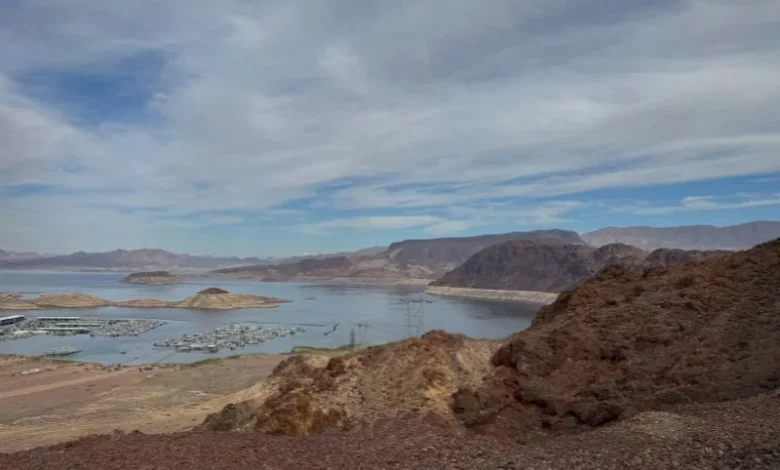
Water shortage is not just a future problem for arid regions. This is becoming a worldwide red flag. The two largest reservoirs in the country in the southwestern US have just hit their lowest water levels ever. Record low water levels, This is not a small local affair. It impacts farms and drinking water and energy supplies for tens of millions of people and is a lesson for every country under similar pressures.
Lake Mead and Lake Powell Are Running Dry
The Colorado River flows through Lake Mead and Lake Powell, providing water to seven states in the US. This river supplies all or some of the household water for some 40 million people. It irrigates more than 5.5 million acres of farmland.
Both reservoirs have been shrinking for decades, but this month broke new low water level records.
Lake Mead hit a record-low water levels in early August. Days later, Lake Powell set its own record low. Combined, the two lakes at full capacity could meet the country’s household water demand for almost one and a half years. And that ability is disappearing fast.
The True Reasons for the Water Crisis
• Experts point to a combination of factors working in concert, not one cause.
• Higher temperatures associated with climate change have reduced river flows by about 20 percent since the early 1900s.
• For more than 25 years, the region has been in the grip of a multi-decade megadrought.
• Since the early 1990s, population growth in the southwest has raised water demand by approximately 60 percent.
• It is harder to quickly change water use in dry years because of slow government decision-making.
• Policy responses, say water experts, tend to lag behind the pace of climate change, putting pressure on reservoirs.
The Implications for People Everywhere
This is not just an American issue. Other cities in Asia, Africa and the Middle East are also experiencing similar water shortages as the population increases and rainfall patterns shift. Demand is up, supply is down, and that’s the pattern at these two largest US reservoirs.
Things readers can do easily
• Stay tuned to local water board news or apps for updates on rainfall and reservoir levels in your area.
• Simple habits such as shorter showers and repairing leaks can help cut down on water waste at home.
• Support local water conservation programs if any, or rainwater harvesting schemes.
• Beware of international water-sharing treaties.
• Your supply can be affected by what others decide.
Conclusion – Record low water levels
The record low levels in Lake Mead and Lake Powell are a stark signal that water systems built for a wetter past are struggling to keep up with a drier, hotter future. If you live near the Colorado River or thousands of miles away, the message is the same: Water is a limited resource and a shared one, and small daily decisions matter.
More ocean stories to explore.
How Are Coral Reefs Being Saved?
Discover how innovative conservation efforts are protecting reefs.
Why Does Coral Bleaching Spread?
Find what causes bleaching and supports reef recovery.
Why Are Global Reefs Collapsing?
Uncover how climate change is damaging coral ecosystems.
How Severe Is Coral Bleaching?
See why bleaching now affects most coral ecosystems.
Why Are Reefs Facing Extreme Heat?
Look into the growing impact of ocean warming on reefs.